U.S. Counter-Drug Operations in Pacific Lead to High Casualty Count
The death toll from recent United States military strikes on boats allegedly involved in drug trafficking in the eastern Pacific Ocean has reached 126 people, according to reports from late January 2026. These operations, conducted by U.S. Southern Command, targeted multiple vessels suspected of transporting illicit substances, resulting in a significant number of fatalities and injuries.
Details of the Incidents and Military Response
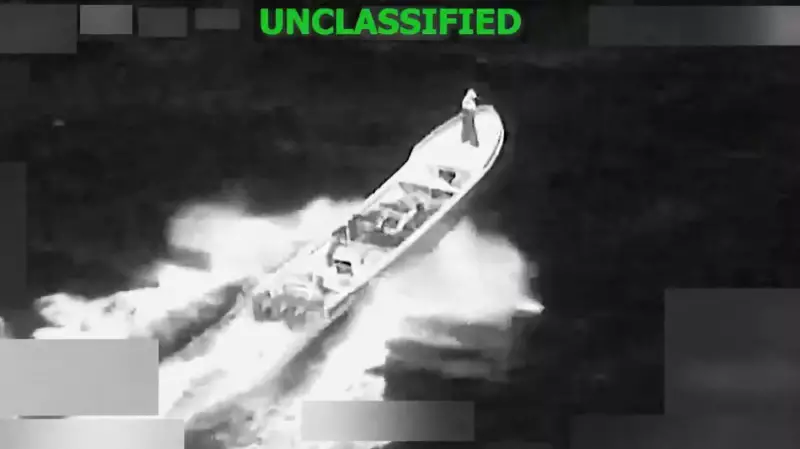
One specific incident, captured on video and released by U.S. South Command, shows a vessel accused of drug trafficking shortly before it was destroyed by U.S. forces on January 23, 2026. In that particular strike, two individuals were killed and one was injured. The military has defended these actions as part of ongoing efforts to combat drug smuggling routes that often traverse international waters, posing threats to regional security and public health.
However, the high casualty count has sparked debate and concern among international observers and human rights groups. Critics argue that such aggressive measures may violate international laws regarding the use of force and the protection of civilians, especially if the alleged drug activities are not conclusively proven at the time of engagement.

Broader Implications for International Policy and Security
These strikes occur against a backdrop of increasing global efforts to address drug trafficking, which remains a persistent issue affecting many countries, including Canada. The U.S. military's involvement in these operations highlights the complex and often contentious nature of cross-border security initiatives, where military intervention intersects with law enforcement and diplomatic channels.
In related news, the political landscape in the United States is also experiencing shifts, with discussions in Congress about immigration policies and trade deals, such as the renegotiation of the Canada-United States-Mexico Agreement (CUSMA). These developments underscore the interconnectedness of security, economic, and foreign policy matters that can influence international relations and domestic responses to crises like drug trafficking.
As the situation unfolds, further analysis is needed to assess the effectiveness and ethical considerations of such military strikes. The rising death toll raises urgent questions about alternative strategies for disrupting drug networks while minimizing harm to individuals, potentially through enhanced intelligence sharing, diplomatic cooperation, and support for local law enforcement agencies in affected regions.