U.S.-Russia Nuclear Arms Control Era Ends as Final Treaty Expires
The last remaining nuclear arms control agreement between the United States and Russia officially expired on February 5, 2026, marking a historic shift in global security dynamics. For the first time in more than half a century, there are no legally binding caps on the size of the world's two largest atomic arsenals, raising concerns among international observers about a potential new arms race.
End of an Era in Strategic Stability
The expiration of the New Strategic Arms Reduction Treaty (New START) removes critical verification measures and numerical limits that have governed U.S. and Russian nuclear forces since 2011. This development represents the culmination of deteriorating relations between the two nuclear superpowers, whose diplomatic ties have been severely strained by ongoing conflicts and geopolitical tensions.
Without these constraints, both nations now face fewer barriers to expanding their nuclear stockpiles, modernizing delivery systems, and developing new weapons technologies. The treaty's collapse comes amid heightened global instability and follows years of mutual accusations regarding compliance and strategic intentions.

Historical Context and Immediate Implications
Nuclear arms control between Washington and Moscow dates back to the Cold War era, beginning with the Strategic Arms Limitation Talks (SALT) in the 1970s. The expiration of New START breaks this continuity of negotiated restraint that has persisted through multiple administrations on both sides.
Experts warn that the absence of verification mechanisms could lead to increased strategic uncertainty and miscalculation. The treaty previously allowed for:
- Regular data exchanges on nuclear forces
- On-site inspections of military facilities
- Limits of 1,550 deployed strategic warheads each
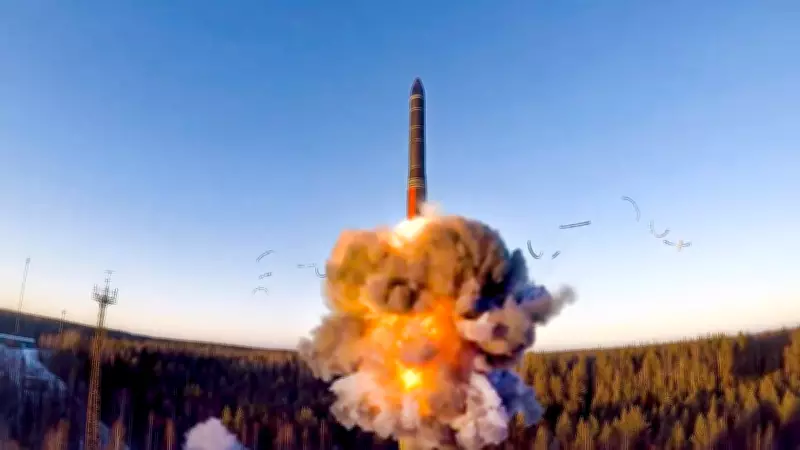
- Caps on deployed delivery systems including intercontinental ballistic missiles
These transparency measures have now vanished, potentially creating an environment where each side may overestimate the other's capabilities and intentions.
Global Reactions and Future Prospects
The international community has expressed deep concern about the treaty's expiration, with many nations calling for renewed diplomatic efforts to restore nuclear constraints. Non-proliferation advocates emphasize that this development undermines decades of progress toward reducing nuclear risks and sets a dangerous precedent for other nuclear-armed states.
While both countries have indicated willingness to discuss future arrangements, fundamental disagreements over Ukraine, missile defense systems, and emerging weapons technologies present significant obstacles to any near-term replacement agreement. The expiration occurs against a backdrop of increasing nuclear modernization programs in both nations, including development of new delivery systems and warhead types.
As the post-Cold War nuclear arms control architecture continues to unravel, global security experts are closely monitoring how both nuclear superpowers will navigate this new era of strategic uncertainty and what implications it may hold for international stability in the coming years.