U.S. Launches Rescue Mission After Iran Downs F-15 Fighter Jet in Escalating Conflict
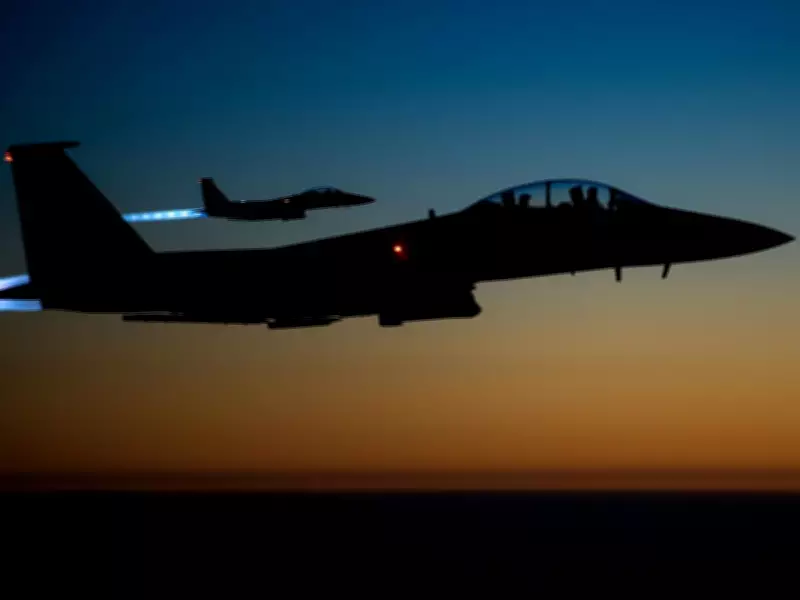
In a significant development that marks a major escalation in the ongoing five-week war, Iran has downed a U.S. F-15E Strike Eagle fighter jet, prompting an immediate search-and-rescue operation for the two-person crew. According to a U.S. official, this incident represents the first known combat loss of a U.S. fighter aircraft in this conflict, which has already triggered a severe global energy crisis.
Details of the Incident and Rescue Efforts
The downing of the F-15E occurred amid heightened tensions, with the fate of the crew remaining unclear as rescue teams scramble to locate them. The New York Times initially reported the loss of a fighter jet, but specific details about the crew's condition have not been confirmed. The U.S. Central Command and the White House have not yet issued official statements in response to requests for comment, adding to the uncertainty surrounding the situation.
Iran's semi-official Tasnim news agency claimed on Friday that Iran had shot down a "highly advanced American fighter jet," though such assertions have been met with skepticism due to prior false claims. Just a day earlier, the U.S. Central Command dismissed an Islamic Revolutionary Guard Corps report of downing an enemy aircraft over the Strait of Hormuz as false, noting that similar claims have been made at least half a dozen times in the past.

Broader Context of the Escalating War
This incident unfolds against a backdrop of intensifying hostilities, with Iran targeting additional sites in Arab Gulf states into Friday. These actions came hours after former U.S. President Donald Trump issued fresh threats against Iranian infrastructure, aiming to pressure Tehran into peace negotiations. Trump posted a video of a bridge collapse on social media, warning of "Much more to follow!" if Iran does not engage in talks.
Iran has remained defiant in the face of these pressures. Foreign Minister Abbas Araghchi stated that strikes on civilian structures "will not compel Iranians to surrender," indicating a steadfast resistance to U.S. demands. There is little indication that Iran will relent on key issues such as re-opening the Strait of Hormuz or halting attacks; instead, they have presented their own terms for any potential deal.
The downing of the F-15E not only escalates military tensions but also exacerbates the global energy crisis, as the conflict disrupts critical supply routes and fuels market instability. This event underscores the volatile nature of the war, with potential implications for international security and economic stability.
As rescue operations continue, the international community watches closely, aware that this incident could further inflame an already precarious situation. The lack of immediate official responses from U.S. authorities adds a layer of complexity, leaving many questions unanswered about the future trajectory of this conflict.