A United States military raid in Syria last fall resulted in the death of an undercover agent, not the senior Islamic State group official it was targeting, according to an Associated Press report. The incident, which occurred in late October 2025, highlights the persistent risks and potential for catastrophic error in counter-terrorism operations within the complex Syrian conflict zone.
The Raid and Its Tragic Outcome
The operation took place on October 28, 2025, in the town of al-Dumayr, located in the countryside surrounding Damascus. U.S. forces, acting on intelligence indicating the presence of a high-value Islamic State (ISIS) official, launched the raid. However, the man killed was Khaled al-Masoud, who sources allege was an undercover agent working against extremist groups.
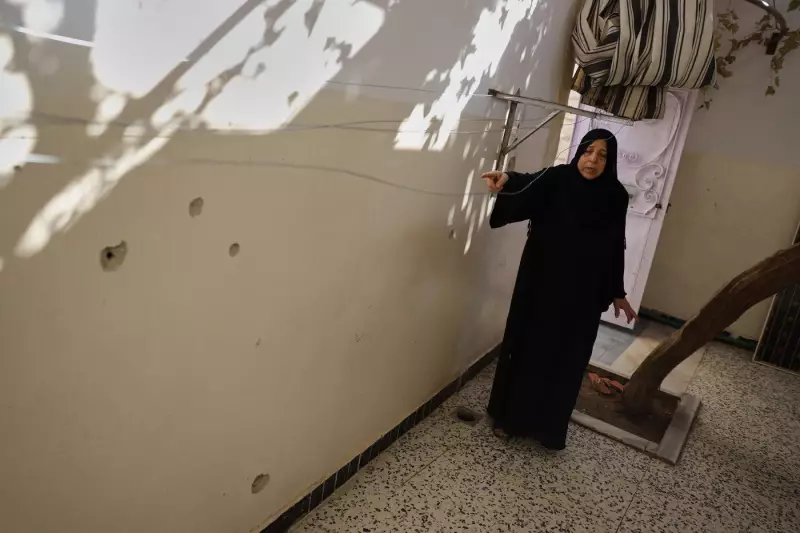
Photographic evidence from the scene, captured by the AP, shows Sabah al-Sheikh al-Kilani, the victim's mother, pointing to multiple bullet holes in the wall of her son's home. The imagery underscores the violent and close-quarters nature of the operation that claimed al-Masoud's life.

Questions of Intelligence and Accountability
This event raises significant questions about the accuracy of the intelligence that prompted the lethal mission. Mistaken identity in drone strikes and special operations raids has been a recurring and deeply controversial issue throughout conflicts in the Middle East, often resulting in civilian casualties and damaging local trust.
The killing of an individual reportedly working against ISIS represents a severe operational setback. Such incidents can undermine local partnerships, provide propaganda victories for extremist groups, and complicate an already fragmented security landscape in Syria. The U.S. military has not issued an official statement regarding this specific allegation detailed in the AP report.
Broader Context and Implications
The raid near Damascus occurs against a backdrop of ongoing, low-intensity U.S. military involvement in Syria, primarily focused on countering the remnants of ISIS and checking Iranian influence. These operations frequently rely on intelligence from local networks, which can be imperfect or deliberately misleading.
For Canadian observers and policymakers, this news serves as a stark reminder of the fog of war and the grave consequences of intelligence failures. It also touches on broader foreign policy and defense discussions relevant to Canada's role in international coalitions. The incident will likely prompt further scrutiny of the protocols and verification processes used to authorize targeted strikes and raids in conflict zones.
As of early December 2025, the full investigation into the al-Dumayr raid and the true identity of Khaled al-Masoud remains subject to reporting and claims from local sources. The event underscores the enduring human cost and strategic complexity of military engagements, even those billed as precise and intelligence-driven.