Newly revealed information indicates that U.S. military personnel were aware of survivors on a suspected drug smuggling vessel in the Caribbean Sea before authorizing a follow-up strike that ultimately sank the boat, according to sources familiar with the incident.
Details of the Controversial Strikes
The initial strike occurred in early September against what the Trump administration describes as a drug trafficking boat. According to two individuals who spoke anonymously because they were not authorized to discuss the matter publicly, the Pentagon knew people had survived that first attack.
Despite this knowledge, a second strike was ordered. The rationale provided internally was that the follow-up action was necessary to sink the vessel. The administration has stated that all 11 individuals aboard were killed.

What remains unclear is who specifically ordered the strikes and whether Defense Secretary Pete Hegseth was directly involved in the decision, one source noted.
Mounting Scrutiny and Congressional Investigations
These details are now at the centre of swift bipartisan investigations launched by the Armed Services committees in both the House of Representatives and the Senate. Lawmakers are seeking to determine if the U.S. military acted within the bounds of the law during these operations.
The information about the follow-on strike was not presented to lawmakers during a classified briefing held in September, shortly after the incident. It was disclosed at a later date, and the explanation from the Department of Defense has reportedly been unsatisfactory to many members of Congress's national security committees.
Admiral Frank "Mitch" Bradley, the commander the administration says ordered the second strike, is scheduled to appear for a classified briefing on Thursday with the committees' Republican chairmen and ranking Democratic members.
Legal and Political Fallout
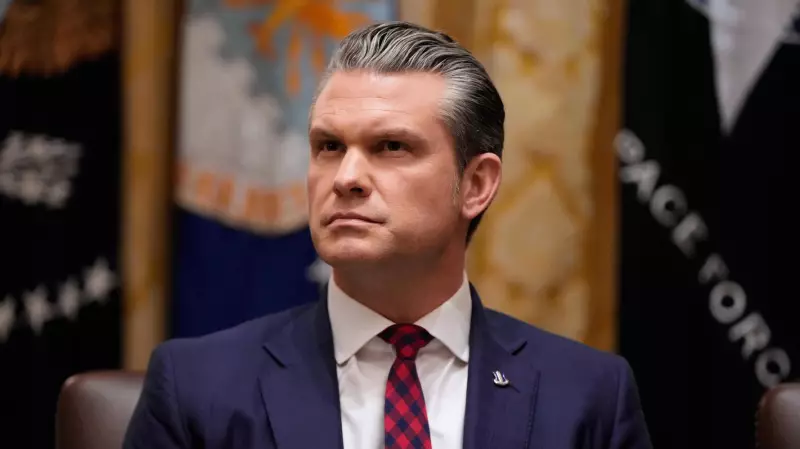
Defense Secretary Pete Hegseth has defended the decision, framing it within the unpredictable "fog of war." During a White House Cabinet meeting, he stated he did not see any survivors but also admitted he "didn't stick around" for the remainder of the mission. Hegseth has publicly backed Admiral Bradley's judgement, saying the admiral "made the right call" and acted within his complete authority.
However, the incident places Hegseth under increased scrutiny over the Pentagon's broader campaign of strikes against alleged drug traffickers in the Caribbean and Pacific. Legal experts and some lawmakers argue that striking a vessel known to carry survivors could violate both peacetime statutes and the laws governing armed conflict.
This controversy is further complicated by the Trump administration's stance that the U.S. is in an "armed conflict" with drug cartels, a position taken without a specific authorization for the use of military force from Congress for operations in the region. The convergence of these facts ensures that congressional oversight and questions of legality will dominate the discourse in the coming weeks.