U.S. Military Boards Third Oil Tanker in Indian Ocean After Caribbean Tracking
In a significant maritime security operation, the U.S. military has boarded a third oil tanker in the Indian Ocean, after initially tracking the vessel from the Caribbean. This action underscores the ongoing efforts by U.S. defense forces to monitor and secure international waters against potential threats.
Details of the Interception
The operation involved meticulous surveillance and coordination, with the tanker being monitored as it traversed from the Caribbean region into the Indian Ocean. The boarding was conducted by U.S. military personnel, who approached the vessel to inspect its cargo and verify compliance with international maritime laws. This marks the third such incident in recent months, highlighting a pattern of increased vigilance in key shipping lanes.
Context and Implications
Maritime security experts note that such operations are crucial for preventing illicit activities, including smuggling and unauthorized transport of goods. The Indian Ocean is a vital corridor for global trade, making it a focal point for military and law enforcement agencies. By boarding these tankers, the U.S. aims to deter illegal operations and ensure the safety of maritime commerce.

This event follows previous interceptions where similar tactics were employed, reflecting a broader strategy to enhance security in regions prone to geopolitical tensions. The tracking from the Caribbean suggests a long-range monitoring capability, enabling proactive responses to potential threats before they escalate.
Response and Future Outlook
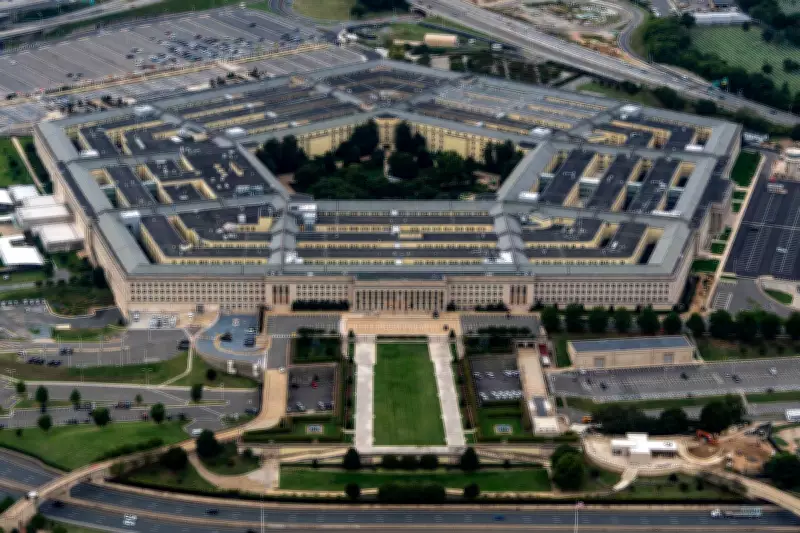
While specific details about the tanker's cargo or crew have not been disclosed, the operation is part of routine security measures implemented by the U.S. Department of Defense. Authorities emphasize that such actions are conducted in accordance with international agreements and aim to uphold maritime sovereignty.
Looking ahead, analysts predict that these efforts may intensify as global shipping routes face evolving challenges. The continued presence of U.S. military assets in the Indian Ocean signals a commitment to safeguarding international waters, potentially influencing regional dynamics and cooperation among nations.