U.S. Military Assets Deployed to Middle East as Trump Considers Iran Strike Options
As former President Donald Trump evaluates potential military actions against Iran in early 2026, the United States has significantly bolstered its military presence across the Middle East. This strategic buildup involves a diverse array of advanced equipment positioned at key bases and naval assets in the region, reflecting heightened geopolitical tensions.
Advanced Fighter Jets and Naval Power
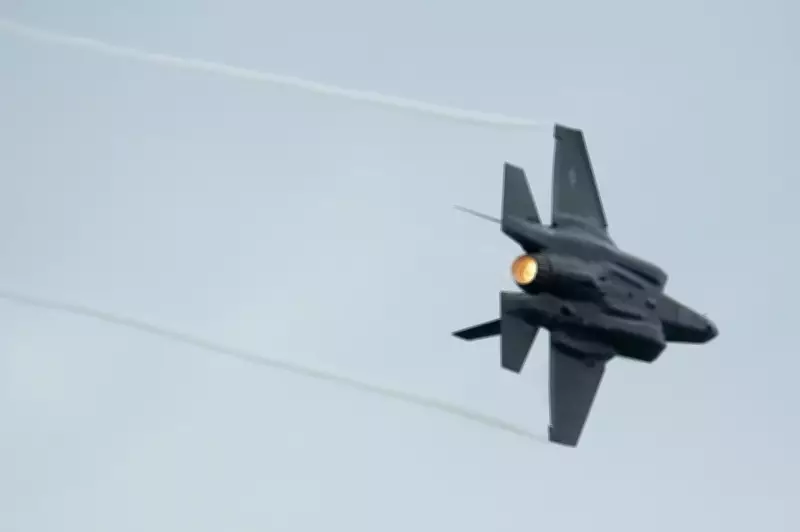
The deployment includes cutting-edge aircraft such as the F-35A Lightning II fighter jets, which are renowned for their stealth capabilities and combat effectiveness. These jets, similar to those showcased in air shows like the 2019 appearance in Ottawa, are now stationed at airbases throughout the Middle East, ready for rapid deployment if needed.
In addition to air power, the U.S. has reinforced its naval forces in the area. This includes aircraft carriers, destroyers, and support ships that patrol critical waterways like the Strait of Hormuz, ensuring a robust maritime presence to deter or respond to any escalations.

Ground Forces and Support Systems
On the ground, the U.S. military has positioned various assets, including:
- Patriot missile defense systems to protect allied nations and U.S. installations from potential missile threats.
- Armored vehicles and artillery units stationed at bases in countries such as Qatar and the United Arab Emirates.
- Intelligence, surveillance, and reconnaissance (ISR) platforms that provide real-time data on regional activities.
These deployments are part of a broader strategy to maintain readiness and demonstrate U.S. commitment to regional stability, even as political considerations evolve.
Context and Implications
The decision to amass military equipment in the Middle East comes amid ongoing diplomatic strains and previous confrontations with Iran. Analysts suggest that this buildup could serve as a deterrent, aiming to prevent further provocations while giving Trump leverage in potential negotiations or military planning.
However, such moves also raise concerns about the risk of escalation, as any miscalculation could lead to broader conflict. The international community is closely monitoring these developments, with allies and adversaries alike assessing the implications for global security.
As of late January 2026, the exact timeline for any potential strikes remains uncertain, but the visible military preparations underscore the seriousness of the situation. This deployment highlights the complex interplay between military strategy and political decision-making in a volatile region.