U.S.-Made Retribution and 'Khaibar-Buster': Weapons in the Mideast Conflict
In the ongoing Mideast conflict, a complex array of weapons, including domestically-built missiles like the "Khaibar-buster" and U.S.-made systems, are playing pivotal roles. Recent military exhibitions in Tehran have showcased these armaments, highlighting the technological and strategic dimensions of the war. The display, commemorating historical conflicts, underscores the region's escalating tensions and the diverse arsenal deployed by involved parties.
Domestic and Foreign Weaponry on Display
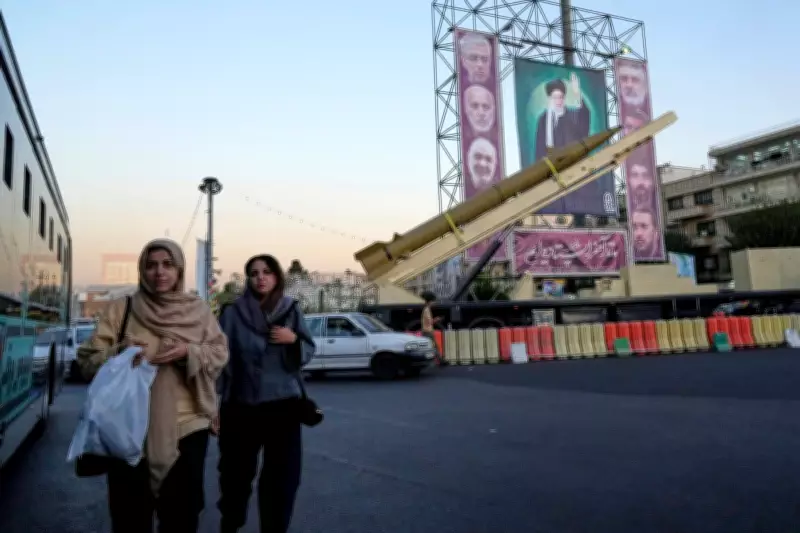
At a military exhibition in Tehran's Baharestan Square, the domestically-built missile "Khaibar-buster" was prominently featured alongside banners of Iranian leaders and fallen commanders. This exhibition, held in September 2025, marked anniversaries of past wars, including the 1980-88 Iraq-Iran conflict and a 12-day war with Israel in June. The event served as a stark reminder of Iran's military capabilities and its readiness to engage in regional conflicts.
Simultaneously, reports indicate the use of "U.S.-made retribution" weapons in the conflict, pointing to the involvement of foreign-supplied arms. These systems have drawn international scrutiny, with concerns raised about their compliance with international law. The White House has been pressed to boost defense production as U.S. strikes on Iran have depleted stockpiles, reflecting the high demand for such weaponry in the volatile region.

International Law and Diplomatic Responses
Amid the weapon deployments, Canadian Defense Minister Anita Anand emphasized that the U.S. and Israel are bound by international law in their actions against Iran, stating they have "no blank cheque." This diplomatic stance highlights the global concern over the conflict's legality and the potential for humanitarian crises. Additionally, a chartered flight with 180 Canadians was scheduled to leave the Mideast, underscoring the international community's efforts to ensure citizen safety.
The conflict has also seen other nations involved, such as Russia, whose flag returned at the Milan Cortina Winter Paralympics despite boycotts related to the Middle East war. This juxtaposition of sports and warfare illustrates the broader geopolitical implications, where weapons and diplomacy intersect in complex ways.
Technological and Strategic Implications
The use of advanced weapons like the "Khaibar-buster" and GPS jamming techniques, which are emerging as troubling tools of war, demonstrates the technological evolution of modern conflicts. These developments pose challenges for international security and require ongoing monitoring by global bodies. As the conflict continues, the role of such weaponry will likely shape future military strategies and diplomatic negotiations in the Mideast.