In a significant development in U.S. foreign policy, members of Congress are calling for a vote on war powers authority. This push comes directly in response to a recent pledge by former President Donald Trump regarding military action against Venezuela.
Congressional Response to Trump's Remarks
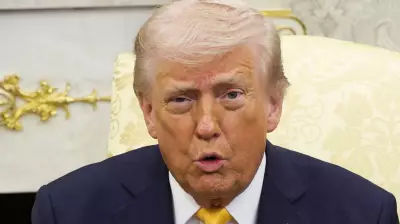
The move by U.S. lawmakers was triggered by a statement from Trump, who declared that an attack on Venezuela would happen 'soon.' This promise, reported on December 03, 2025, has ignited immediate concern on Capitol Hill about the constitutional process for authorizing the use of military force. Legislators from both sides of the aisle are now emphasizing the need for congressional oversight before any such action is taken.
The Core of the War Powers Debate
The proposed vote centers on the War Powers Resolution, a law designed to check the president's power to commit armed forces without congressional consent. Lawmakers argue that any potential military engagement in Venezuela, a sovereign nation, must be debated and authorized by the legislative branch. This demand underscores a recurring tension in American governance between executive action and legislative approval, especially concerning overseas conflicts.

The situation places a spotlight on the ongoing political dynamics in Washington, where the balance of power between the presidency and Congress is continually tested. The call for a vote is seen as a reassertion of congressional authority in matters of war and peace, a fundamental principle of the U.S. Constitution.
Implications for U.S. Foreign Policy
This congressional maneuver has direct implications for international relations and stability in the Western Hemisphere. A unilateral move against Venezuela, without a clear mandate or demonstrated threat to national security, could have profound diplomatic and humanitarian consequences. The lawmakers' insistence on a vote reflects a desire for a deliberate and transparent process, weighing the potential risks and strategic objectives of any military intervention.
As the debate unfolds, the world will be watching how the United States navigates this critical juncture. The outcome will not only affect relations with Venezuela but also signal how future administrations must engage with Congress on matters of ultimate national importance.