U.S. Homeland Security Escalates Surveillance in Immigration Operations, Impacting Citizens
In a significant development, U.S. Homeland Security has ramped up its surveillance measures during immigration raids, with recent incidents in Minneapolis highlighting the use of advanced facial recognition technology. This expansion of monitoring capabilities has led to the inadvertent sweeping in of American citizens, raising critical questions about privacy rights and the scope of government oversight in immigration enforcement.
Facial Recognition Deployment in Minneapolis
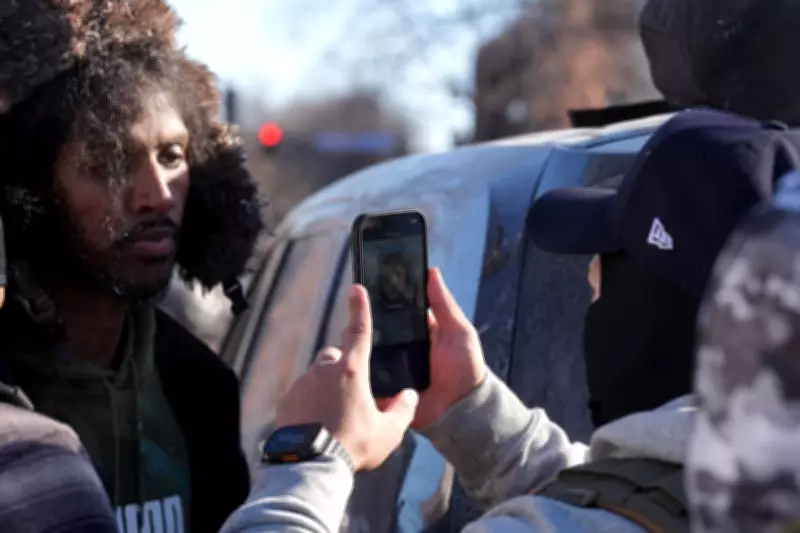
On Tuesday, January 27, 2026, in Minneapolis, U.S. agents employed a facial recognition application on individuals detained during an immigration operation. One of those detained and later released was subjected to this technology, underscoring the growing reliance on digital tools in law enforcement activities. The use of such apps allows for rapid identification and data collection, but it also introduces new risks of overreach and misidentification.
Broader Implications for Civil Liberties
This intensification of surveillance is part of a broader trend where immigration enforcement tactics are becoming increasingly technologically driven. While aimed at enhancing security and efficiency, the inclusion of citizens in these sweeps has sparked concerns among privacy advocates and civil rights groups. They argue that such practices could erode constitutional protections and set a precedent for expanded surveillance in other areas of public life.

Context and Reactions
The move comes amid ongoing debates over immigration policy and national security in the United States. Critics point to potential abuses and the lack of transparency in how surveillance data is used and stored. Supporters, however, contend that these measures are necessary to combat illegal immigration and ensure public safety. The incident in Minneapolis serves as a case study in the balancing act between security imperatives and individual freedoms.
Looking Ahead
As technology continues to evolve, the intersection of surveillance and immigration enforcement is likely to remain a contentious issue. Stakeholders are calling for clearer guidelines and oversight to prevent overreach and protect citizens' rights. This development highlights the need for ongoing dialogue and policy adjustments to address the complex challenges at the nexus of security, technology, and civil liberties.