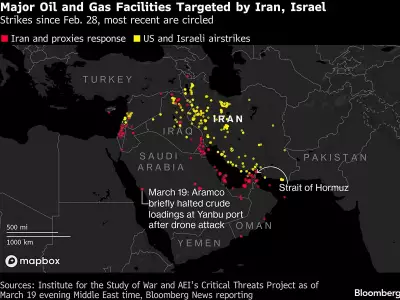
The United States is set to deploy approximately 1,000 troops to the Middle East in the near future, an Associated Press source confirmed on March 24, 2026. This move comes amid ongoing regional tensions and complex diplomatic efforts, highlighting the U.S. military's continued involvement in the area.
Strategic Deployment Amidst Heightened Tensions
The decision to send these forces underscores the volatile security situation in the Middle East, where conflicts have escalated in recent months. According to the AP source, the deployment is part of a broader strategy to bolster U.S. presence and support allied nations in the region. The troops are expected to be stationed at various bases to enhance operational capabilities and respond to potential threats.
Expert Insights on Diplomatic Challenges
Military analysts have raised concerns about the complexities of peace negotiations in the region. One expert noted that U.S. officials "wouldn’t really know who to trust" during talks with Iran, reflecting the deep-seated mistrust that complicates diplomatic efforts. This sentiment is echoed by former President Donald Trump's recent comments, where he stated, "We’ll just keep bombing our little hearts out" if delaying attacks fails to de-escalate conflicts.

Another analyst pointed out that Iran's aggressive actions, such as attacking neighboring countries, are isolating it further on the international stage. These dynamics contribute to the rationale behind the U.S. troop deployment, aimed at deterring further aggression and stabilizing the region.
Broader Context of U.S. Military Movements
This deployment aligns with ongoing U.S. military activities in the Middle East, which have included airstrikes and support for local forces. The move is seen as a precautionary measure to address emerging security threats and ensure rapid response capabilities. It also reflects the Biden administration's commitment to maintaining a strong defense posture despite diplomatic hurdles.
Implications for Regional Stability
The arrival of additional U.S. troops could influence the balance of power in the Middle East, potentially deterring hostile actions from state and non-state actors. However, it may also escalate tensions, particularly with Iran and its proxies. The deployment is closely watched by global allies and adversaries alike, as it signals U.S. resolve in a region fraught with conflict.
In summary, the planned deployment of around 1,000 U.S. troops to the Middle East highlights the ongoing challenges in achieving peace and security in the area. As diplomatic efforts continue to face obstacles, military measures remain a key component of U.S. strategy to protect interests and support stability.