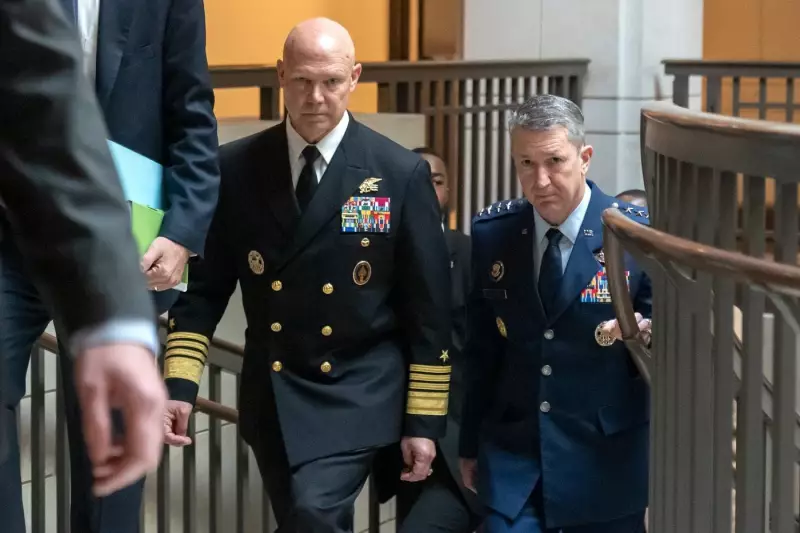
A senior U.S. naval commander has publicly stated that no 'kill them all' order was issued during a controversial military engagement involving a boat attack. This denial comes as lawmakers express grave concern over video footage from the incident, with some members of Congress raising the specter of a potential war crime.
Mounting Questions and Political Backing
Despite the admiral's firm denial, questions are intensifying on Capitol Hill. Several U.S. lawmakers have directly referenced the possibility of a war crime based on the alarming video evidence now in circulation. The situation places significant pressure on the Pentagon and the administration to provide a transparent account of the rules of engagement and the events that transpired.
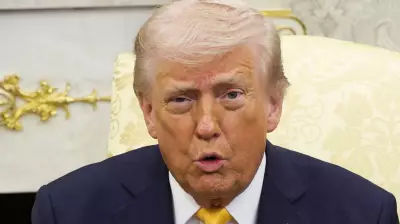
In a show of support, President Donald Trump is standing behind his Defense Secretary, Pete Hegseth, as the controversy unfolds. The political dimension adds a layer of complexity to the military investigation, intertwining operational accountability with high-stakes Washington politics.

The Power of Video Evidence
The central catalyst for the congressional alarm is the video evidence from the attack. While the admiral's statement seeks to clarify the chain of command and intent, the visceral nature of the footage has prompted bipartisan calls for a thorough and independent inquiry. Lawmakers are demanding to know if the use of force was proportionate and within the bounds of international military law.
This incident highlights the modern challenge for military operations: actions are increasingly captured on video and instantly scrutinized by the public and political leaders. The gap between official statements and visual evidence often becomes the focal point for accountability and debate.
Broader Implications for Military Conduct
The allegations and the subsequent defense raise critical questions about operational protocols and the training of personnel in high-pressure combat situations. A formal investigation is likely to examine not just the specific order—or lack thereof—but also the culture and communication within the unit involved.
For the U.S. military, which prides itself on lawful and ethical conduct, such incidents can damage international credibility and alliances. The outcome of this probe will be closely watched by both allies and adversaries around the world.
As the story develops, the focus remains on reconciling the official account from military leadership with the disturbing evidence that has galvanized lawmakers. The demand for clarity and justice, whether to exonerate or to hold individuals accountable, is now a driving force in Washington.