Uncertainty Surrounds Mandate of Canada's New National Security and Intelligence Adviser
Significant questions remain unresolved concerning the specific duties and operational authority of the incoming national security and intelligence adviser for Canada. This uncertainty emerges against a backdrop of heightened national security debates and persistent foreign interference challenges facing the nation.
Ongoing Scrutiny of Foreign Interference
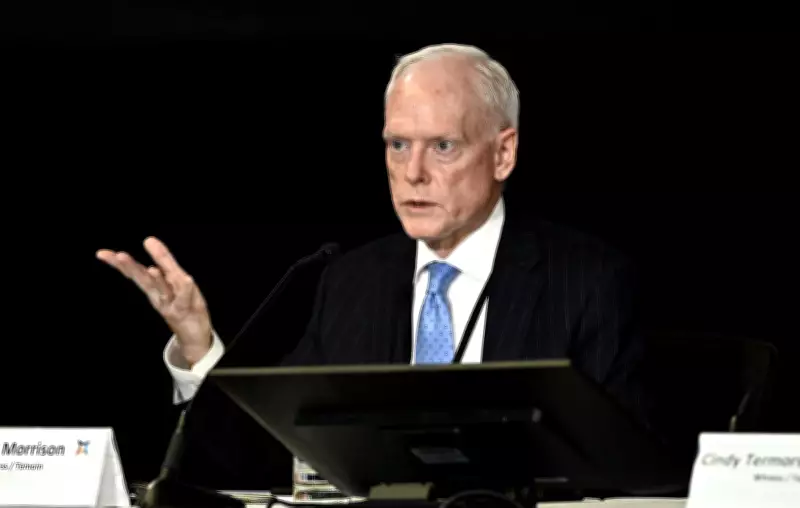
The appointment arrives during a period of intense scrutiny on Canada's foreign policy and security apparatus. Notably, David Morrison, the Deputy Minister of Foreign Affairs, recently provided testimony at the Foreign Interference Commission in Ottawa. His appearance underscored the complex and evolving threats that the new adviser will be expected to help manage and mitigate.
The role of the national security and intelligence adviser is traditionally pivotal, serving as a key link between the Prime Minister's Office, various security agencies, and the intelligence community. However, the precise contours of this position's responsibilities in the current administration have yet to be fully clarified or publicly detailed.

A Critical Role in a Complex Landscape
This advisory position is central to coordinating responses to multifaceted threats, including cyber operations, espionage, and disinformation campaigns. The lack of clear public definition regarding the adviser's mandate raises important considerations about governance, accountability, and strategic direction in Canada's security framework.
Analysts suggest that defining this role with greater transparency is crucial for public confidence and for ensuring effective inter-agency cooperation. The adviser's ability to navigate bureaucratic structures and provide unbiased counsel will be tested by the intricate nature of modern geopolitical and security challenges.
Broader Context of Security and Policy
The discussion occurs alongside other significant national developments, including debates on Arctic defense, economic security, and international alliances. These factors collectively shape the environment in which the new adviser will operate, making the clarification of their duties even more pressing for coherent policy execution.
As the government moves forward with this key appointment, stakeholders from across the political and security spectrum are calling for enhanced clarity. The effectiveness of Canada's national security strategy may well depend on a well-defined and empowered intelligence advisory function, free from ambiguous mandates or overlapping jurisdictions.