Trump Announces Permanent Framework Deal for Greenland and Arctic Region
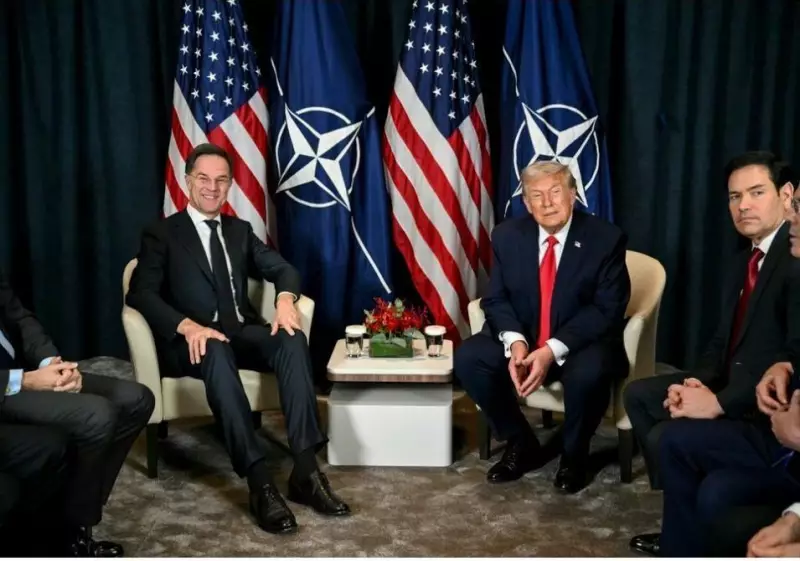
In a significant diplomatic shift, U.S. President Donald Trump has revealed a framework for what he describes as a permanent agreement concerning Greenland and the broader Arctic region. This announcement follows weeks of aggressive rhetoric and tariff threats against European nations, marking a notable reversal in approach after discussions with NATO Secretary General Mark Rutte.
From Tariff Threats to Diplomatic Framework
The framework emerged from talks between Trump and Rutte during the Davos meetings, where the U.S. president withdrew his previously stated intention to impose tariffs on eight European countries starting February 1. Those tariffs had been conditional on Denmark ceding control of the autonomous territory of Greenland to the United States.
Instead of pursuing territorial acquisition, Trump now points to what he calls a "future deal with respect to Greenland and, in fact, the entire Arctic Region." The president insisted this arrangement gives Washington "everything we wanted" and will remain in force "forever," though both he and Rutte provided minimal concrete details about the specific terms.

Reviewing the Greenland Defense Pact
According to sources familiar with the discussions, the United States and Denmark will renegotiate a longstanding defense agreement concerning Greenland that dates back to 1951. This pact, which was last updated in 2004, essentially grants Washington broad authority to increase military deployments on the island, provided it notifies Danish and Greenlandic authorities in advance.
The United States currently maintains one strategic installation on Greenland: the Pituffik Space Base located in the island's northwest region. This facility serves as a critical component of the U.S. missile defense system, highlighting Greenland's ongoing strategic importance to American security interests.
Arctic Security and Keeping Competitors Out
Rutte outlined that one key "work stream" emerging from the discussions focuses on how NATO allies—including the seven member nations with Arctic territories—can collectively ensure regional security. The NATO chief specifically mentioned the objective of keeping "the Russians and the Chinese stay out" of the Arctic region.
He further explained that conversations with Trump addressed how to "ensure that the Chinese and the Russians will not gain access to the Greenland economy" or establish military footholds in the territory. This aligns with concerns expressed by some European nations that have advocated for NATO to launch a dedicated Arctic mission to bolster security in the region.
Sovereignty Questions Addressed
Despite earlier suggestions that American military bases on Greenland might be placed under U.S. sovereignty, sources close to the talks clarified that this issue "did not come up" during discussions between Rutte and Trump. The NATO chief similarly confirmed that he did not discuss Danish sovereignty over Greenland with the American president.
This position was reinforced by Danish Prime Minister Mette Frederiksen, who stated she communicated with Rutte both before and after his meeting with Trump. Frederiksen emphasized to Danish television that "the position of Denmark and that of Greenland are the same, and no negotiations were held yesterday with NATO about our sovereignty."
The framework announcement represents a notable evolution in Trump's approach to Arctic geopolitics, shifting from confrontational demands for territorial control toward a more conventional diplomatic framework—though one whose specific provisions and implementation details remain largely undefined at this early stage.