Trump Engages NATO Leader Rutte While Floats Alliance Exit Possibility
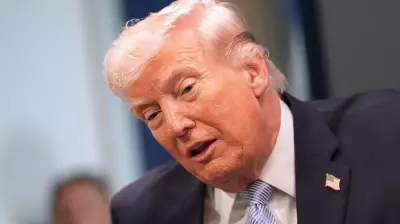
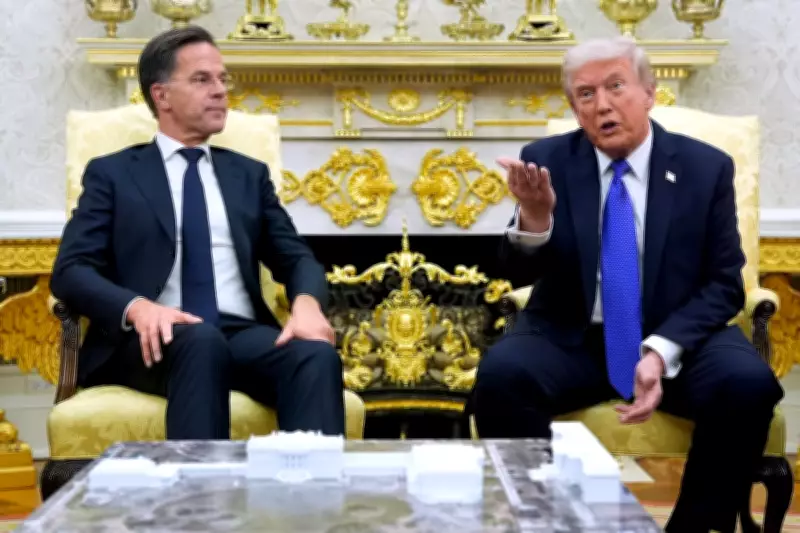
Former U.S. President Donald Trump convened with NATO Secretary-General Mark Rutte this week, a meeting that unfolded against a backdrop of Trump's repeated public musings about potentially withdrawing the United States from the cornerstone transatlantic military alliance. The discussions, which analysts describe as critically important for global security architecture, come as Trump has intensified his rhetoric questioning the value and cost of American participation in NATO.
A History of Skepticism
Trump's skepticism of NATO is not new. During his first term and throughout his 2024 campaign, he frequently characterized the alliance as unfair to American taxpayers, accusing European members of not meeting their defense spending commitments. This longstanding position has created persistent anxiety among European capitals, which rely on the U.S. security guarantee as a fundamental pillar of their defense strategy.
The meeting with Rutte, a seasoned Dutch politician seen as a steady hand leading the alliance, was widely interpreted as an attempt to bridge gaps and clarify positions. However, the shadow of a potential U.S. exit looms large over any diplomatic exchange.

Global Implications of a Withdrawal
The prospect of an American withdrawal from NATO would represent the most significant shake-up in European security since the end of the Cold War. Such a move could embolden adversaries like Russia and force a dramatic realignment of global power dynamics. Defense experts warn that it would undermine decades of collective security planning and potentially trigger a new, destabilizing arms race on the continent.
European leaders have consistently argued for the alliance's enduring value, pointing to its role in deterring aggression and coordinating responses to emerging threats. The urgency of these consultations has been heightened by ongoing conflicts and geopolitical tensions that demand a unified Western response.
Domestic and International Reactions
Within the United States, Trump's position has drawn mixed reactions. Some of his political allies support a more transactional approach to foreign alliances, while many national security veterans from both major parties warn that abandoning NATO would be a historic strategic blunder. The meeting with Rutte is therefore being scrutinized for any signals about future policy direction.
Internationally, allies are watching closely, balancing public statements of unity with private contingency planning. The outcome of this dialogue could set the tone for transatlantic relations for years to come, influencing everything from defense procurement to diplomatic coordination on global crises.
As Trump continues to vocalize his doubts, the world waits to see whether his engagement with NATO's leadership will lead to reconciliation or reinforce a path toward disengagement, with all the profound consequences that would entail for international peace and stability.