Trump Optimistic on Iran War Resolution Despite Unabated Hostilities
U.S. President Donald Trump has publicly raised expectations that the ongoing conflict with Iran may soon de-escalate, citing what he described as productive diplomatic discussions with Tehran. In a statement issued on Monday, Trump indicated that his administration is engaged in talks with Iranian leadership, offering a glimmer of hope for a potential reduction in hostilities. However, this optimistic outlook stands in stark contrast to the reality on the ground, where military engagements continue unabated, and Iranian officials have firmly denied any such negotiations are taking place.
Extended Deadline and Diplomatic Maneuvers
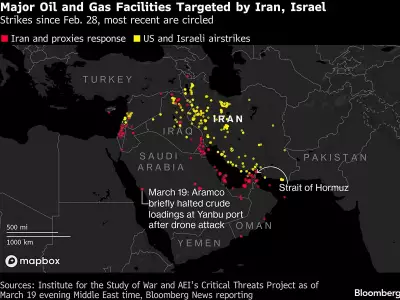
In a strategic move, President Trump extended his deadline for Iran to reopen the Strait of Hormuz by five days. This extension was granted to allow U.S. envoys additional time to conduct discussions with what Trump referred to as a respected Iranian leader. The decision to postpone planned strikes on Iranian power plants underscores a calculated effort to explore diplomatic avenues before escalating military actions further. Despite these efforts, the situation remains tense, with no immediate signs of a ceasefire or reduction in combat operations.
Mounting Casualties and Regional Impact
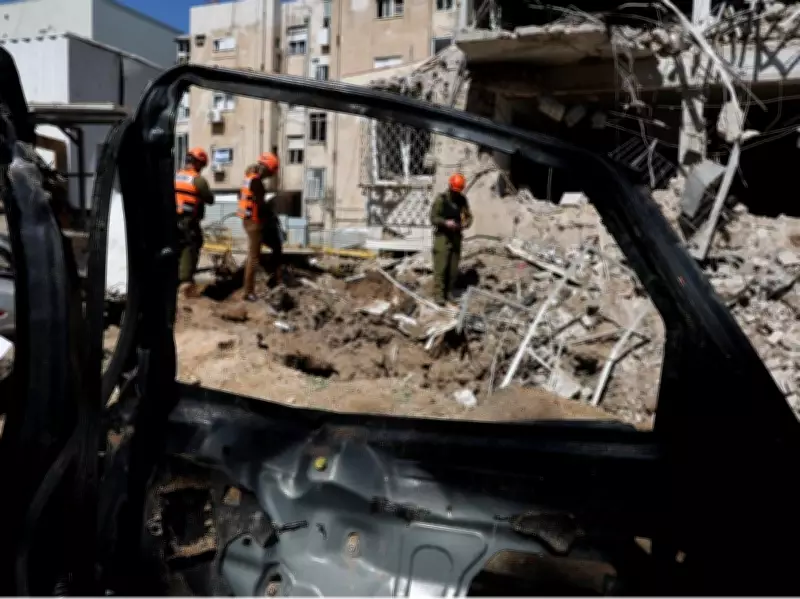
The human cost of the conflict has continued to rise alarmingly. Current reports indicate that the death toll has surpassed 1,500 individuals in Iran, with over 1,000 fatalities in Lebanon. Additionally, 15 Israeli citizens and 13 U.S. military personnel have lost their lives, alongside a significant number of civilians in the Gulf region, both on land and at sea. These figures highlight the widespread and devastating impact of the hostilities, affecting multiple nations and communities across the Middle East.

Israeli Military Actions and Iranian Responses
Israel's military has announced the completion of a series of targeted strikes on what it identifies as Iranian production sites, though specific details regarding these operations remain undisclosed. Concurrently, Israeli defense systems have detected a new wave of missiles launched from Iran toward Israeli territory, indicating a continued cycle of retaliation and escalation. In a further development, Israeli Defence Minister Israel Katz has issued a stark warning, threatening to implement destruction in southern Lebanon similar to that witnessed in Gaza, specifically referencing the Rafah and Beit Hanoun models as part of an intensified campaign against Hezbollah militants.
Iranian Skepticism and Diplomatic Posturing
Iranian officials have responded to Trump's statements with skepticism and denial. A member of Iran's Parliament, Esmail Kowsari, cautioned that the nation must think wisely regarding Trump's claims of ongoing talks. Kowsari, who serves on the national security and foreign policy committee, characterized Trump and Israeli Prime Minister Benjamin Netanyahu as inherently liars intent on sowing discord. He emphasized that no substantive negotiations have occurred, accusing U.S. leadership of attempting to undermine public trust in Iranian authorities through false narratives.
The conflicting narratives from Washington and Tehran, combined with the persistent military engagements, underscore the complex and volatile nature of the Iran war. As diplomatic efforts face significant hurdles, the region braces for potential further escalation, with international observers closely monitoring developments for any signs of a breakthrough or additional conflict.