In an exclusive revelation to CNN, a senior U.S. military official has disclosed critical new details about a controversial incident that some lawmakers are labeling a potential war crime. The admiral overseeing the operation informed Congress that survivors seen clinging to a capsized vessel did not radio for emergency backup before a subsequent strike was authorized.
Testimony Reveals Critical Timeline
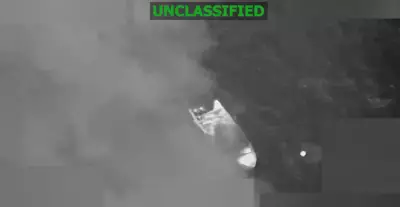
The admiral, whose testimony was delivered to lawmakers, stated that surveillance observed individuals surviving the initial engagement and holding onto the overturned boat. Despite this visual confirmation, no distress call or request for backup was intercepted from the survivors prior to the decision to conduct a follow-up strike, known in military terminology as a "double-tap." This detail is central to the escalating political and legal scrutiny of the operation.
The disclosure comes amid mounting questions from Capitol Hill about the rules of engagement and the judgment used in the operation. Several legislators have publicly characterized the incident as a possible violation of international law governing armed conflict.

Trump Stands By Defense Secretary Hegseth
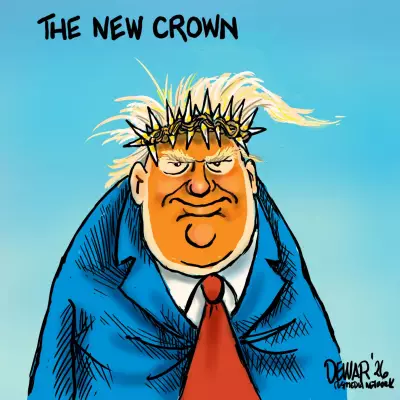
Facing this growing controversy, President Donald Trump is firmly standing behind his Defense Secretary, Pete Hegseth. The White House has signaled its full support for Hegseth and the chain of command involved in the decision-making process. This backing sets the stage for a potential confrontation between the executive branch and concerned members of Congress who are demanding accountability and a thorough investigation.
The admiral's account, emphasizing the lack of a radio call from the survivors, appears to be part of the administration's defense of the operation's legality. The argument suggests that without a clear signal of surrender or distress, the targets were still considered a legitimate threat under the prevailing engagement protocols.
Mounting Scrutiny and Calls for Investigation
The phrase "war crime" is now being used openly by some lawmakers, increasing pressure for independent reviews. Critics argue that the principle of proportionality and the duty to assist survivors of an attack are paramount, regardless of whether a radio call was made. They contend that visual confirmation of survivors should have triggered a different set of actions focused on rescue or capture, rather than another strike.
As the story develops, the focus will remain on the official investigations and whether the testimony provided by the admiral satisfies congressional concerns. The political fallout continues to build, with the Pentagon likely to face continued intense questioning over its operational procedures and the specific intelligence that led to the fatal decision.