Seven Strategic Islands Controlling the Strait of Hormuz Amid Rising Tensions
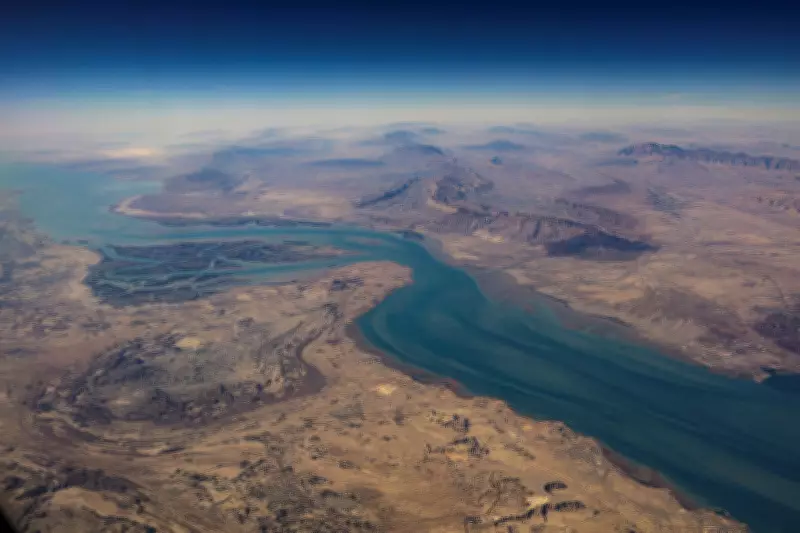
The Strait of Hormuz, a narrow maritime passage between the Persian Gulf and the Gulf of Oman, remains one of the world's most critical oil transit chokepoints. Approximately one-fifth of global oil consumption passes through this waterway daily, making it a focal point of geopolitical and economic interest. Control over this strait is heavily influenced by seven key islands, whose strategic importance has intensified amid ongoing regional conflicts and heightened military posturing.
The Geopolitical Significance of the Islands
These islands, primarily under Iranian control, serve as natural sentinels overlooking the narrowest points of the strait. The most prominent among them include Qeshm, Hormuz, and Abu Musa. Qeshm, the largest island in the Persian Gulf, is separated from the Iranian mainland by the Clarence Strait and hosts military installations, radar systems, and anti-ship missile batteries. Its topography provides ideal positions for monitoring and potentially blocking maritime traffic.
The other islands—Greater and Lesser Tunbs, Sirri, and Larak—complete a chain that allows Iran to project power across the entire width of the Strait of Hormuz. This archipelagic control enables Tehran to threaten the closure of the strait, a scenario that would trigger immediate global economic repercussions, particularly affecting oil markets and energy security worldwide.

Historical Context and Territorial Disputes
Ownership of several of these islands has been contested for decades, primarily between Iran and the United Arab Emirates. The disputes over Abu Musa and the Tunb islands date back to the early 1970s, when Iran took control of them shortly before the UAE gained full independence from Britain. These unresolved territorial claims add a layer of complexity to regional diplomacy and security arrangements.
International efforts to mediate these disputes have largely stalled, with Iran maintaining a firm military presence on the islands. The strategic value of these territories has only increased with time, as global energy dependence on Middle Eastern oil has grown, and as regional powers have expanded their naval capabilities.
Military Infrastructure and Capabilities
Iran has systematically fortified these islands with extensive military infrastructure. This includes coastal defense missile systems, fast attack craft bases, surveillance radars, and electronic warfare installations. The Islamic Revolutionary Guard Corps Navy maintains a significant presence across the island chain, with the capability to deploy swarms of small armed boats that could harass commercial shipping.
These islands also serve as forward operating bases for Iran's asymmetric warfare strategy in the Persian Gulf. From these positions, Iranian forces can quickly deploy mines, conduct naval interdiction operations, or launch anti-ship missiles against vessels transiting the strait. The geographical layout creates natural choke points where even limited military action could effectively halt maritime traffic.
Global Implications and Security Concerns
The strategic importance of these seven islands extends far beyond regional politics. Any disruption to shipping through the Strait of Hormuz would immediately impact global energy markets, potentially causing oil price spikes and supply chain disruptions. This vulnerability has led to increased international naval presence in the region, with the United States and allied nations conducting freedom of navigation operations and maintaining carrier strike groups nearby.
Recent incidents, including attacks on commercial vessels and heightened tensions between Iran and Western powers, have underscored the fragility of security in this critical waterway. The islands' strategic positioning means that any escalation of conflict in the region would likely involve these territories as primary military objectives or launching points for operations.

Future Outlook and Diplomatic Challenges
As global energy transitions progress, the strategic importance of the Strait of Hormuz may gradually diminish over decades, but for the foreseeable future, these seven islands will remain crucial to international security and economic stability. Diplomatic efforts to de-escalate tensions face significant challenges, given the complex web of regional rivalries, international sanctions, and competing security interests.
The international community continues to monitor developments in the region closely, recognizing that the security of these islands directly affects global energy security. Any significant change in the status quo—whether through military conflict, diplomatic resolution of territorial disputes, or shifts in regional alliances—would have profound implications for international trade and geopolitical stability.