A classified briefing for U.S. lawmakers on Thursday revealed deep partisan divisions over a controversial military operation, with a senior Republican senator vigorously defending the killing of two survivors from an initial strike.
A Stark Contrast in Reactions
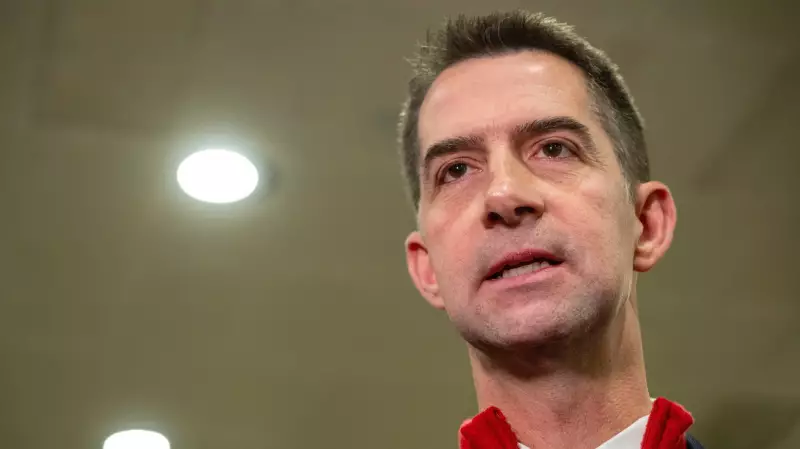
Senator Tom Cotton, the Republican chair of the Senate Intelligence Committee, emerged from a classified briefing on Capitol Hill expressing strong approval of video footage he had just seen. The footage detailed a U.S. military operation on September 2 against an alleged drug smuggling boat in the Caribbean Sea, near Venezuela.
Admiral Frank Bradley and Joint Chiefs of Staff Chair General Dan Caine led the briefing. Cotton described the strikes, including a follow-up attack that killed two individuals attempting to right their damaged vessel, as "righteous strikes."

"The first strike, the second strike, and the third and the fourth strike on Sept. 2 were entirely lawful and needful," Cotton told reporters. "They were exactly what we would expect our military commanders to do."
Cotton's Justification and a Key Contradiction
When asked to describe the footage of the second strike, Cotton chuckled before explaining his view. "I saw two survivors trying to flip a boat ― loaded with drugs, bound for the United States ― back over, so they could stay in the fight," he said. He suggested other "narcoterrorist" boats might have been coming to aid them.
He framed the targets as members of foreign terrorist organizations bringing deadly drugs to American shores. However, this justification appears to rely on a significant discrepancy. While Cotton and former President Donald Trump have cited the synthetic opioid fentanyl as the threat, Pentagon officials have informed lawmakers that only cocaine was recovered in these interdictions, not fentanyl.
Democratic Lawmakers 'Deeply Disturbed,' Demand Investigation
The reaction from Democratic lawmakers who attended the same briefing was one of profound alarm. Representative Jim Himes, the top Democrat on the House Intelligence Committee, called the footage "one of the most troubling things I’ve seen in my time in public service."
"You have two individuals in clear distress, without any means of locomotion, with a destroyed vessel, who were killed by the United States," Himes stated, visibly affected.
Senator Jack Reed, the leading Democrat on the Senate Armed Services Committee, said he was "deeply disturbed" and insisted the Department of Defense must release the complete, unedited footage. He vowed that the briefing was only the beginning of a full investigation into the incident, criticizing the Trump administration for withholding information.
The Unbridgeable Divide
When questioned about Himes's shaken response, Cotton dismissed the concern. "I didn’t see anything disturbing about it," the Arkansas senator said. He redirected focus to the drug crisis in America, stating, "What’s gratifying to me is that the president has made the decision, finally, after decades of letting it happen, that we’re going to take the battle to them."
The starkly different interpretations of the same video underscore a fundamental clash in perspectives on military engagement, rules of engagement, and accountability, setting the stage for continued congressional scrutiny and calls for a potential war crimes investigation.