Retired soldiers have brought a powerful appeal to the Saskatchewan legislature, calling for a significant change to Canada's highest military honour. They are urging provincial leaders to advocate for the federal government to allow the awarding of the Victoria Cross for acts of exceptional bravery that occurred after 1945.
The Campaign for Expanded Eligibility
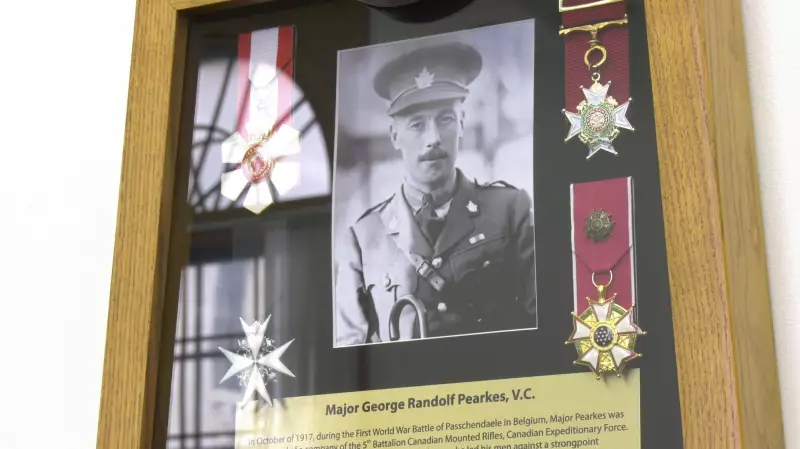
The delegation of veterans presented their case directly to lawmakers in Regina. Their central argument is that the current eligibility criteria for the Victoria Cross are unjustly restrictive. The honour, which is the Commonwealth's pre-eminent award for valour "in the face of the enemy," has not been awarded to a Canadian for actions taken after the Second World War.
The veterans contend that countless acts of extraordinary courage have been performed by Canadian service members in conflicts and peacekeeping missions since 1945. These include deployments in Korea, the former Yugoslavia, Afghanistan, and numerous other theatres. They believe the heroes of these modern conflicts deserve equal consideration for the nation's top military decoration.

A Matter of National Recognition
The push in Saskatchewan adds provincial weight to a longstanding debate within military and veterans' communities. Proponents of the change argue that the definition of "in the face of the enemy" has evolved with modern warfare, which often involves asymmetric threats and complex combat environments not seen in the world wars.
By calling on the legislature to formally support this change, the veterans aim to create political momentum that could lead to a revision of the award's protocols at the federal level. The move highlights a desire to ensure that Canada's system of military honours fully reflects the service and sacrifice of all generations of soldiers.
Historical Context and Modern Valour
The Victoria Cross has a profound place in Canadian military history. However, its award to Canadians effectively ceased with the changes to the Canadian honours system in the latter half of the 20th century, even as Canadian troops continued to face extreme danger abroad.
The Saskatchewan veterans' initiative, reported by Mick Favel, underscores a passionate belief that valour does not belong to a specific era. They assert that the same level of bravery exhibited in the trenches of Vimy Ridge or the beaches of Normandy has been displayed by Canadian soldiers in the hills of Afghanistan and in other modern missions. Their lobbying effort is fundamentally about securing parity of recognition across all chapters of Canada's military service.
The outcome of this provincial appeal remains to be seen, but it has successfully placed the issue of honouring post-1945 heroism back on the public agenda, challenging the government to consider whether its highest award should evolve to meet the realities of contemporary military service.