South Korean authorities have taken the significant step of summoning a civilian for formal questioning. The individual is under investigation for allegedly conducting unauthorized drone flights directed toward North Korea.
Details of the Security Incident
The summons was issued on January 16, 2026. While specific details about the individual's identity or the exact number of flights remain undisclosed for operational security reasons, the move underscores the serious nature of the allegations. Any unauthorized aerial activity near the heavily fortified border is treated with extreme caution by South Korean security agencies.
Context of Inter-Korean Tensions
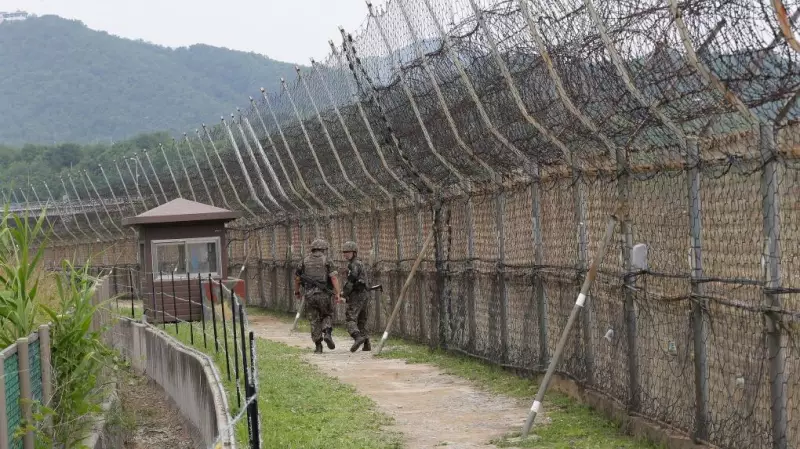
This incident occurs against a backdrop of persistent military tension on the Korean Peninsula. The Demilitarized Zone (DMZ) separating the two Koreas is one of the most heavily guarded borders in the world. Both nations maintain strict surveillance and have a history of intercepting drones. South Korean soldiers are frequently seen patrolling areas like the DMZ Peace Trail in Goseong, a reminder of the constant state of alert.

Unauthorized drone flights pose a multifaceted threat. They can be perceived as espionage missions or provocations, potentially triggering a military response. South Korean law enforcement and defense officials are undoubtedly investigating the intent behind the alleged flights, including whether they were for personal, commercial, or more sinister purposes.
Legal and Security Implications
The civilian now faces a rigorous legal process. South Korea has stringent laws governing airspace, especially near the northern border. Violations can result in severe penalties, including hefty fines and imprisonment, depending on the findings of the investigation. This case will likely involve coordination between South Korea's National Intelligence Service, military police, and relevant civilian agencies.
This event serves as a stark reminder of the delicate security situation that persists decades after the Korean War armistice. It also highlights the modern challenges that ubiquitous technology, like commercial drones, presents to national security protocols in one of the world's last Cold War frontiers.