Russia's Information War Against Canada Shows Growing Success, Security Official Testifies
Prime Minister Mark Carney's national security advisor has delivered a sobering assessment of Russia's information warfare efforts in Canada, warning that disinformation campaigns are gaining significant traction among the Canadian public.
Increasing Influence on Canadian Perceptions
Nathalie Drouin, the outgoing national security and intelligence advisor, told members of Parliament on Tuesday that Russia's presence and influence operations have evolved substantially since 2021. "Russia wants to influence their own narrative," Drouin testified before the Procedure and House Affairs committee. "And I must say that, unfortunately, we are seeing more Canadians believing that the conflict was started at the initiative of Ukraine in 2022."
The security official expressed concern about Russia's growing success in shaping Canadian perspectives through sophisticated misinformation and disinformation campaigns. "So what Russia is doing is, unfortunately, sometime getting traction," she added, noting this represents a significant shift from what authorities observed in 2019.

Context of the Ukraine Conflict
The war in Ukraine began with Russia's full-scale invasion of its western neighbor in early 2022, sparking what has become the longest and deadliest conflict in Europe since World War II. The Canadian government has responded with comprehensive sanctions targeting Russian officials, business figures, and companies supporting what Ottawa describes as an "unjustified" invasion.
Despite these measures, Drouin's testimony suggests Russian information operations continue to penetrate Canadian discourse, potentially undermining public understanding of the conflict's origins and nature.
Election Security and Foreign Interference
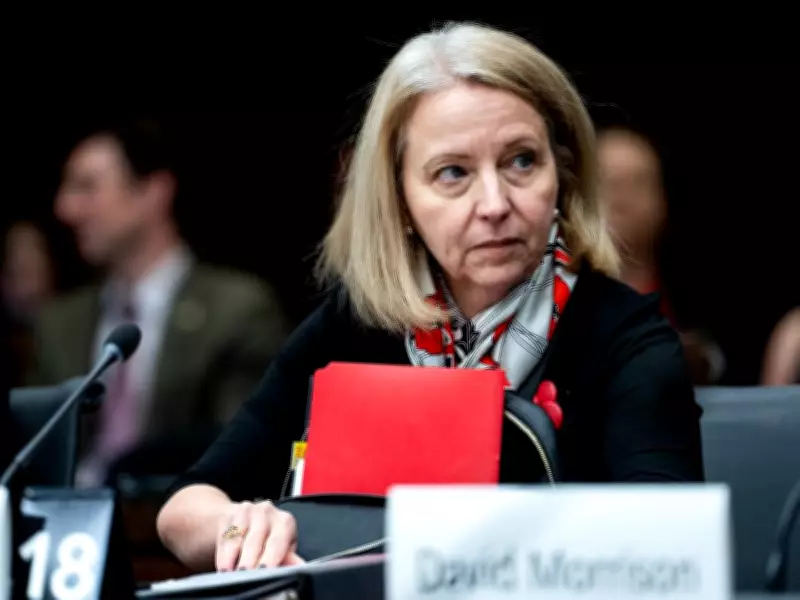
Drouin appeared before the parliamentary committee alongside David Morrison from Global Affairs Canada and Tricia Geddes from Public Safety to discuss foreign interference in Canadian federal elections following last spring's campaign. During the hearing, both Drouin and Morrison reaffirmed previous government statements that the most recent election remained free and fair with minimal foreign interference.
"I was completely confident that the last election was a true reflection of the will of the Canadian people without interference," Drouin stated emphatically.
However, Conservative MP Blaine Calkins expressed skepticism about this assessment, responding: "Well, I'm not sure that you can say that with confidence, but I appreciate that."
Chinese Interference Concerns
The exchange followed Drouin's acknowledgment of attempts by the Chinese government to undermine the candidacy of Conservative candidate Joe Tay, a longtime Hong Kong democracy activist. Hong Kong police had placed a substantial bounty on Tay for his activism, highlighting the international dimensions of election security concerns.
Morrison added that while the government addressed interference concerns with China's embassy in Ottawa, authorities found no evidence of direct involvement by Chinese diplomats stationed in Canada.
Ongoing Challenges and Future Preparedness
Both officials emphasized that some level of attempted foreign interference represents an ongoing reality for democratic nations. "There will always be a baseline of attempted foreign interference by other countries," they noted during their testimony. What matters most, they argued, is the government's ability to detect these efforts and implement effective countermeasures to neutralize their impact.
Members of Parliament also questioned Drouin about potential interference risks from traditional allies, specifically raising concerns about the United States. This line of inquiry reflects the complex landscape of modern information security, where threats can emerge from unexpected quarters.

Transition and Continuity
Drouin's testimony comes as she prepares to transition from her national security role to become Canada's next ambassador to France, having been appointed to the diplomatic position just one day before her committee appearance. This changing of the guard occurs amid heightened awareness of foreign influence operations targeting Canadian democracy and public discourse.
The security official's warnings about Russia's successful information campaigns serve as a stark reminder of the evolving challenges facing Western democracies in the digital age, where narratives can be weaponized and public opinion becomes a battleground for geopolitical interests.