Russian military officials have declared the capture of the strategically important city of Pokrovsk in Ukraine's Donetsk region. The announcement comes just ahead of anticipated diplomatic talks, a timing that Ukrainian authorities have been quick to criticize.
Ukraine Dismisses Russian Claims as 'Loud Statements'
Ukrainian officials have firmly dismissed Moscow's assertion of capturing Pokrovsk, labeling it as propaganda designed to create momentum before negotiations. A Ukrainian military spokesperson stated that the claims are "loud statements" intended for psychological effect rather than reflecting the reality on the ground. They emphasized that defensive operations in the area are ongoing.
The reported capture centers on Pokrovsk, a key logistical and transport hub in eastern Ukraine. The Russian defense ministry made the announcement on December 1, 2025. Control of this city would represent a significant, though contested, advance for Russian forces in the grinding Donbas campaign.

Timing Ahead of Witkoff Talks Raises Questions
The proclamation from Moscow arrives just as preparations are underway for a new round of international discussions, often referred to as the Witkoff talks, aimed at addressing the ongoing war. Analysts suggest that claiming a major territorial gain ahead of such negotiations is a tactic to strengthen Russia's bargaining position and project strength.
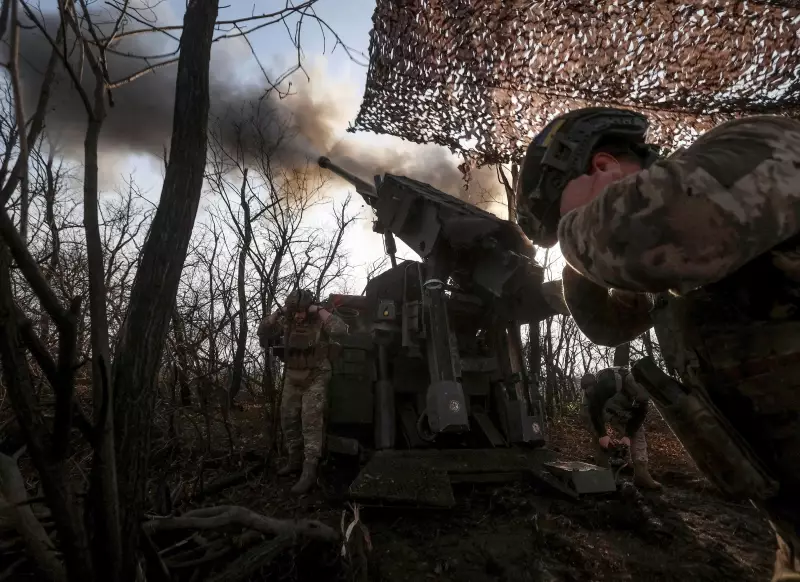
Recent visual evidence from the conflict zone, dated November 23, 2025, shows Ukrainian servicemen operating a howitzer artillery piece near Pokrovsk, directing fire toward Russian positions. This imagery, provided by Reuters and distributed via CNN Newsource, underscores the intense and recent fighting in the sector surrounding the city.
Strategic Significance and Ongoing Conflict
Pokrovsk's strategic value lies in its role as a railway junction and its location west of currently entrenched front lines. Its capture would potentially facilitate further Russian offensive operations deeper into Ukrainian-held territory in Donetsk. However, the Ukrainian dismissal indicates that the situation is likely fluid, with control possibly contested or the Russian claim being premature.
The development highlights the continued volatility of the front lines despite periodic diplomatic efforts. The conflicting narratives from Moscow and Kyiv are a staple of the information war accompanying the military conflict, making independent verification of territorial control challenging. The international community continues to monitor the situation closely, with the upcoming talks seen as a critical, though uncertain, juncture.