Retired General Sounds Alarm on Canada's Defence Needs in Volatile Global Climate
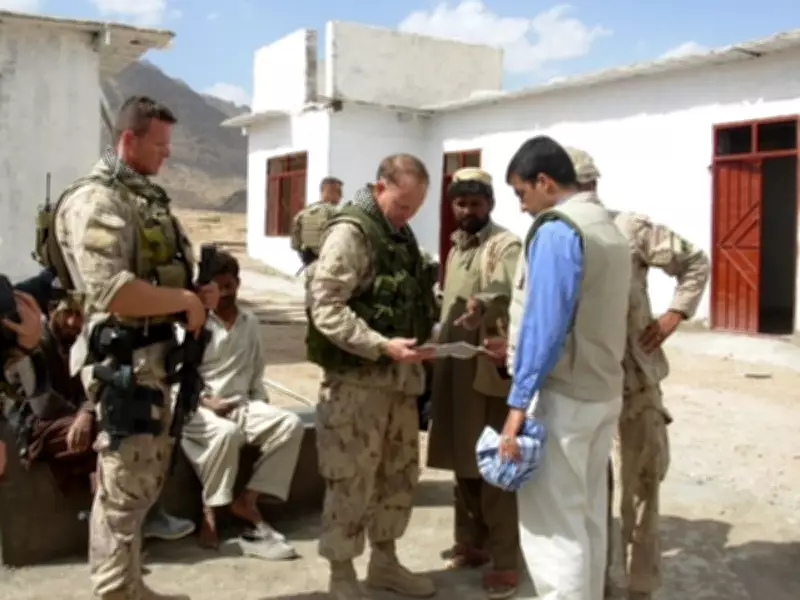
In a sobering assessment of contemporary global affairs, retired Major-General David Fraser has issued a stark warning about Canada's military preparedness. The Edmonton native, who commanded U.S. troops during Operation Medusa in Afghanistan—marking the first such Canadian command since World War II—emphasized that the nation faces unprecedented challenges requiring immediate and substantial action.
A More Dangerous World Demands Canadian Self-Reliance
Fraser, who retired as a two-star general in 2011, articulated his concerns during a January 29 interview with Postmedia. "It is, in fact, a much more dangerous world, and one that Canada is going to do an awful lot more by itself in order to maintain what we've taken for granted for decades," he stated unequivocally. The shifting geopolitical landscape, according to Fraser, necessitates a serious reevaluation of Canada's defence posture and international commitments.
The retired general highlighted the complications arising from America's increasingly isolationist stance under President Donald Trump. "The relationship we have with the Americans in the past is no longer there. The world has changed. It's become, quite frankly, a lot rougher," Fraser observed. He noted that diminished coordination with traditional allies like the United States compels Canada to assume greater responsibilities within frameworks such as NATO and NORAD.

Prime Minister Carney's 'Courageous' Davos Address
Fraser expressed strong support for Prime Minister Mark Carney's recent address at the World Economic Forum in Davos, Switzerland. Describing the speech as "very courageous" and reflective of widespread sentiments, Fraser praised Carney for articulating the need for collective international effort. "We're all—each and every one of us—going to have to pick up our socks and do more working together," he reiterated, aligning with the Prime Minister's call for enhanced global cooperation.
The general also commended Carney's efforts to diversify Canada's trade partnerships in response to American isolationism. By solidifying new agreements and re-establishing historical linkages, Fraser believes Canada can better navigate supply-chain shifts and maintain peaceful international relations.
Substantial Defence Spending Infusion
Central to Fraser's analysis is the recent announcement of an $80-billion infusion into Canada's defence budget. This substantial investment, he clarified, extends beyond the acquisition of advanced assets like F-35 fighter jets and naval vessels. It encompasses long-term support and maintenance commitments that will sustain military capabilities for decades to come. Fraser views this spending as a critical step toward asserting Canadian sovereignty and ensuring the nation's security in an increasingly perilous global environment.
Ultimately, Fraser's message is clear: Canada must adopt a more proactive and self-sufficient defence strategy. The silver lining, he suggests, lies in demonstrating to the world a readiness to protect civil liberties and uphold national interests, moving decisively away from a "business as usual" approach. As geopolitical tensions escalate, Fraser's insights underscore the urgent need for Canada to bolster its military preparedness and navigate the complexities of a transformed international order.