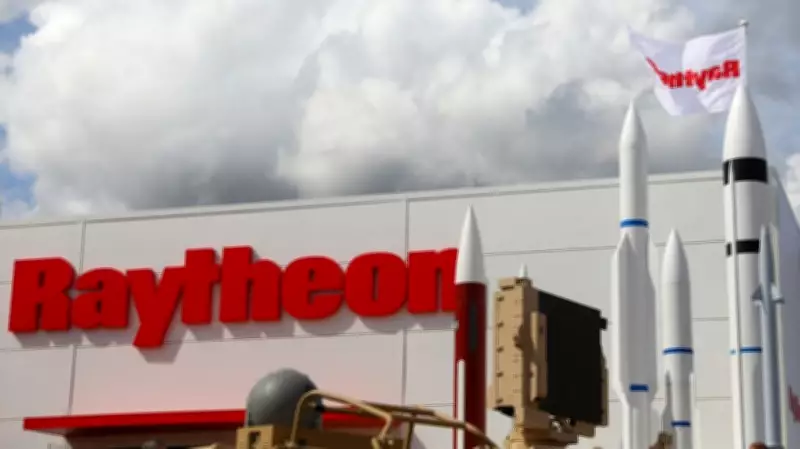
Raytheon Lands Major U.S. Defense Contract for Missile Production
In a significant development for the defense industry, Raytheon, operating as a unit of RTX, has finalized a substantial seven-year agreement with the United States Department of Defense. The contract, announced on Wednesday, is centered on a major ramp-up in the production of critical missile systems for the U.S. military.
Details of the Strategic Agreement
The comprehensive deal specifically mandates increased manufacturing output for several key missile types. This includes the venerable Tomahawk land-attack cruise missile, a long-range, subsonic weapon system known for its precision and reliability. Additionally, the agreement covers enhanced production of advanced air-to-air missiles, designed for aerial combat superiority, and ballistic missile interceptors, which form a crucial component of national missile defense architectures.
The multi-year nature of this contract provides stability and allows for long-term planning in the defense supply chain. It represents a clear commitment from the Pentagon to bolster its munitions stockpiles and maintain technological edge in an increasingly complex global security environment. For Raytheon, this agreement underscores its pivotal role as a primary contractor for the U.S. armed forces and is expected to have considerable implications for its production facilities and workforce.

Context and Industry Impact
This procurement move comes at a time when global defense spending is under scrutiny, yet strategic competition necessitates robust military capabilities. The focus on Tomahawks, in particular, highlights the ongoing value placed on proven, versatile weapon systems that can be deployed from naval vessels. The inclusion of ballistic missile defense interceptors aligns with broader efforts to enhance homeland and allied security against potential threats.
The announcement solidifies Raytheon's position in the competitive aerospace and defense sector, potentially influencing market dynamics and related subcontracting opportunities across North America. While the financial specifics of the deal were not immediately disclosed, contracts of this scale typically involve billions of dollars and support thousands of direct and indirect jobs, contributing to the industrial base.
This production boost is a clear indicator of the Pentagon's current procurement priorities and its strategy to ensure readiness and deterrence through advanced, domestically produced armaments.