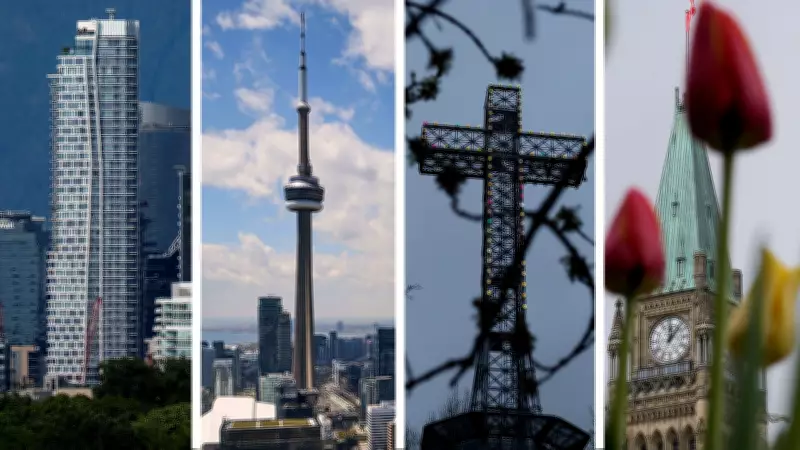
Toronto, Montreal, Vancouver, and Ottawa are among the major Canadian cities vying to host the country's new Defence Security Resilience Bank, a significant international defence hub. The competition is fierce as each city lays out its strategic advantages and infrastructure capabilities to secure the project.
Why This Matters
The Defence Security Resilience Bank is expected to bolster Canada's defence and security posture, creating jobs and driving economic growth. The chosen city will become a central node for global defence collaboration, research, and innovation.
Toronto's Bid
Toronto emphasizes its strong financial sector, diverse workforce, and existing defence industry presence. The city argues that its connectivity and global reach make it an ideal location for the hub.

Montreal's Pitch
Montreal highlights its aerospace and technology clusters, as well as its bilingual workforce. The city also points to its robust research institutions and history of hosting international organizations.
Vancouver's Advantages
Vancouver promotes its strategic Pacific Rim location, clean technology expertise, and quality of life. The city also notes its proximity to key Asian markets and its growing defence sector.
Ottawa's Case
Ottawa, as the national capital, underscores its proximity to government decision-makers, established defence and security community, and strong talent pool in cybersecurity and intelligence.
The final decision is expected later this year, with the hub set to open in 2028. The winning city will receive substantial federal investment and international attention.