The U.S. Department of Defense continues to publicly support a controversial military operation from earlier this year, even as a bipartisan group of American lawmakers intensifies its scrutiny of the attack that left eleven people dead at sea.
Defending the Deadly 'Double Tap'
On Tuesday, Pentagon officials reiterated their defense of a back-to-back boat strike carried out on September 2 off the coast of Trinidad. The target was a Venezuelan vessel that U.S. authorities alleged was involved in drug smuggling. According to reports, after an initial strike, two individuals survived. SEAL Team 6 was then ordered to execute a second strike, which successfully eliminated the remaining survivors.
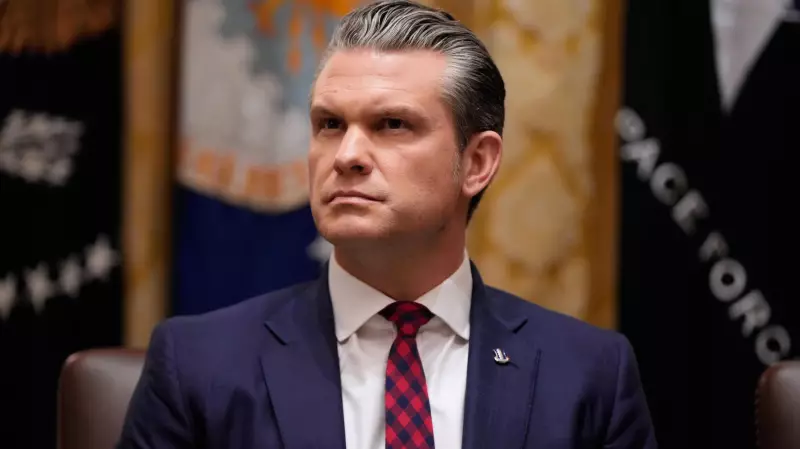
Both the White House and the Pentagon have cleared Defense Secretary Pete Hegseth of any direct wrongdoing in the incident. However, a recent investigative report by The Washington Post painted a different picture, alleging that Hegseth ordered the Joint Special Operations Command (JSOC) to "kill everybody" on the boat. The order was reportedly executed by the then-head of JSOC, Admiral Frank Bradley.

A Secretary's Distance and a Commander's Promotion
Secretary Hegseth has denied the accuracy of the Post's account, though he maintains a strong defense of the U.S. military's broader campaign against drug smuggling vessels in international waters. This stance persists despite growing public and congressional concerns that such operations could constitute extrajudicial killings or war crimes.
In a notable twist, Hegseth has simultaneously sought to distance himself from the specific operational decision for the second strike. Pentagon spokesperson Kingsley Wilson stated that the "decision to restrike" was made solely by Admiral Bradley, who was acting under established authorities. "Secretary Hegseth stands behind Adm. Bradley 100%," Wilson told reporters. "Adm. Bradley made the right call."
Just one month after the September incident, Admiral Bradley was promoted to lead the U.S. Special Operations Command, the very organization that oversees JSOC.
Mounting Congressional Pressure and Calls for Oversight
The operation has sparked significant backlash on Capitol Hill. A coalition of lawmakers from both parties has condemned the strikes, citing a severe lack of oversight and legal justification. They argue the Pentagon acted without congressional approval to attack a boat that was only accused—without publicly presented evidence—of smuggling drugs.
These legislators are now demanding a thorough investigation and "vigorous oversight" into the decision-making process. Their concerns are amplified by the scale of the ongoing campaign; the Pentagon revealed on Tuesday that since the September operation, targeted attacks on small boats have killed at least 82 people.
During a cabinet meeting with President Donald Trump, Hegseth signaled a relentless continuation of this strategy, declaring the military has "only just begun striking narco boats and putting narcoterrorists at the bottom of the ocean." He framed the support for commanders like Bradley as unwavering, stating, "They're making judgment calls ensuring they defend the American people." As the administration doubles down, the call for accountability and transparency from Congress grows louder, setting the stage for a potential political and legal confrontation.