Pakistan Airstrike on Afghan Hospital Leaves 400 Dead, Triggers Global Condemnation
A Pakistan airstrike has struck an Afghan hospital, resulting in the deaths of approximately 400 individuals, according to reports from local authorities and international news agencies. The attack, which occurred in Kabul, Afghanistan, has ignited widespread condemnation from global leaders and humanitarian organizations.
Details of the Devastating Attack
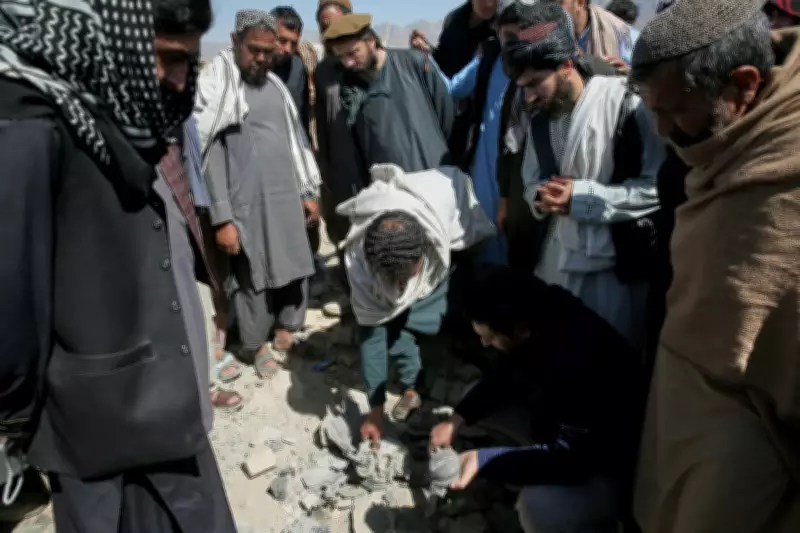
The airstrike targeted a medical facility in the Afghan capital, causing extensive destruction and a significant loss of life. Residents and Taliban police were observed gathering the remains of projectiles at the site, highlighting the severity of the assault. The incident underscores the ongoing volatility in the region and raises serious concerns about the protection of civilian infrastructure during conflicts.
International reactions have been swift and critical, with calls for immediate investigations into the circumstances surrounding the strike. Humanitarian groups emphasize that attacks on hospitals violate international law and jeopardize essential healthcare services for vulnerable populations.

Broader Regional and Political Implications
This tragic event occurs amidst heightened tensions between Pakistan and Afghanistan, with both nations grappling with complex geopolitical dynamics. The airstrike is likely to strain diplomatic relations further and complicate efforts to achieve stability in the area.
Analysts note that such incidents can exacerbate existing conflicts, making it more challenging to foster peace and cooperation. The international community is urged to intervene and facilitate dialogue to prevent further escalations and protect civilian lives.
Humanitarian Crisis and Future Concerns
The loss of 400 lives in a single airstrike represents one of the deadliest incidents in recent memory, drawing attention to the human cost of ongoing hostilities. Hospitals, as neutral zones under international humanitarian law, must be safeguarded to ensure access to medical care for all affected by conflict.
Moving forward, there is a pressing need for:
- Thorough investigations to determine responsibility and prevent recurrence
- Enhanced diplomatic efforts to de-escalate regional tensions
- Strengthened protections for civilian infrastructure in conflict zones
The global response to this tragedy will be crucial in shaping future policies and actions aimed at upholding human rights and promoting peace in Afghanistan and beyond.