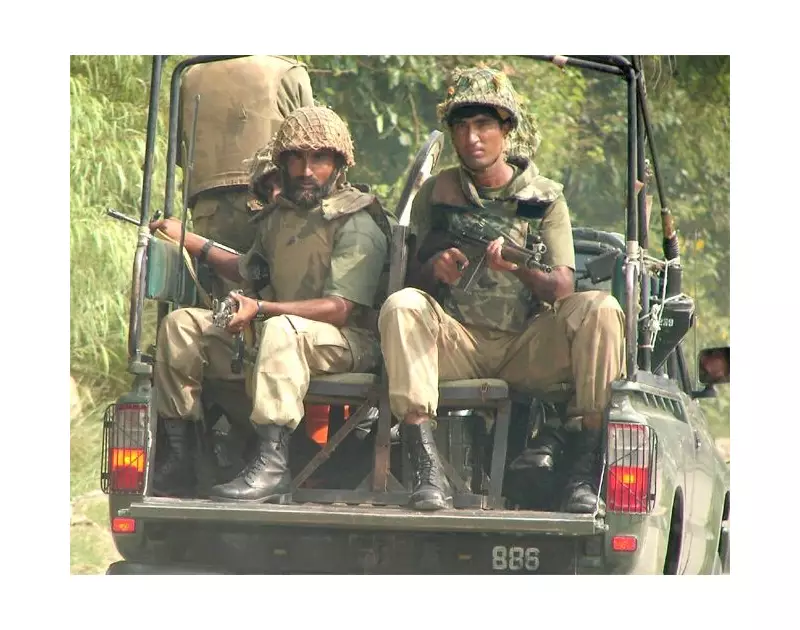
Officials have confirmed a serious escalation along the volatile border between Pakistan and Afghanistan, with forces from both sides engaging in a heavy exchange of fire. The incident underscores the persistent tensions in a region critical to global security.
Details of the Border Incident
The clash occurred along the Torkham border crossing, a key transit point between the two nations. According to statements from Pakistani officials, the exchange involved sustained gunfire and artillery. The area of North Waziristan, a former tribal agency in Pakistan that borders Afghanistan, has long been a flashpoint for militant activity and military operations.
While the precise trigger for the latest hostilities remains unclear, border disputes and accusations of cross-border militant movement have frequently fueled such confrontations. The incident highlights the fragile state of relations between Islamabad and the Taliban-led government in Kabul.

Historical Context and Regional Instability
The border region, known as the Durand Line, has been contested for decades. Pakistan has intermittently closed the Torkham crossing, citing security concerns and efforts to regulate movement. The area witnessed significant military action during Pakistan's long-running campaigns against militant groups.
This latest clash raises immediate concerns for civilian populations in nearby villages and for trade, as the Torkham crossing is a vital commercial artery. It also poses a challenge to international efforts aimed at fostering stability in Afghanistan following the withdrawal of foreign forces.
Potential Repercussions and Ongoing Tensions
The exchange of fire is likely to further strain diplomatic channels. Both sides have historically accused the other of harboring militant groups that launch attacks across the border. Such incidents complicate Pakistan's complex relationship with the Afghan Taliban, a group with which it has historical ties but also significant disagreements over border management and security.
Analysts warn that without a formal and mutually accepted border mechanism, these skirmishes could continue, threatening to destabilize the region further. The international community, including major powers with interests in South Asian stability, will be monitoring the situation closely for signs of escalation or de-escalation in the coming days.