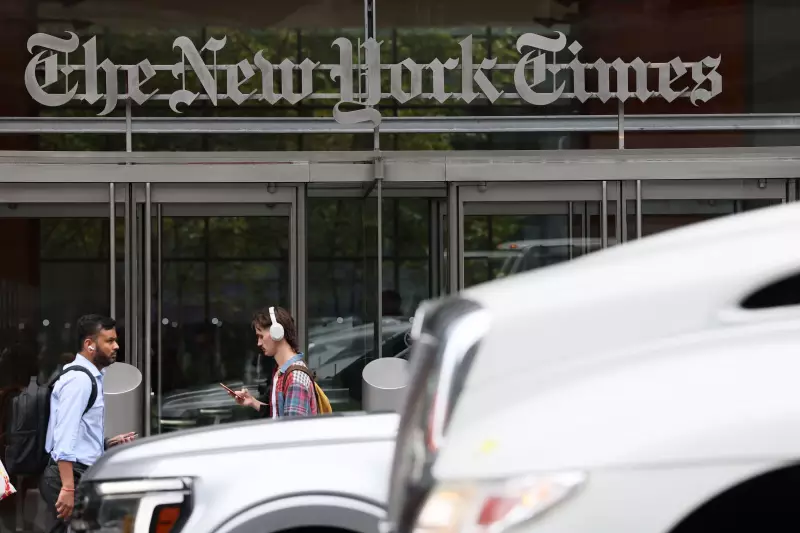
The New York Times has initiated a significant legal challenge against the Pentagon, filing a lawsuit over what the newspaper describes as a crackdown on press access and freedoms. The suit, filed in December 2025, marks a major escalation in tensions between the media and the U.S. Department of Defense.
The Core of the Legal Dispute
At the heart of the lawsuit are allegations that the Pentagon, under its current leadership, has systematically restricted journalists' ability to report on military and national security matters. The New York Times contends that these actions represent a direct threat to the First Amendment and the public's right to be informed about the operations of its government.
The legal filing specifically names key figures within the defense establishment, though the initial report focused on the institutional action against the Pentagon's policies. This move by the renowned newspaper is seen as a defensive action to protect the role of a free press in a democratic society, particularly concerning matters of defense and security.

Context and Implications for Media Freedom
This lawsuit does not exist in a vacuum. It follows a period where journalists and major news organizations have reported increasing difficulties in obtaining timely information, conducting interviews with officials, and gaining access to certain military facilities or briefings. The New York Times, with its vast resources and history of investigative reporting on national security, is positioning itself at the forefront of this battle.
The outcome of this case could set a powerful precedent for how the U.S. government balances national security concerns with the principles of transparency and accountability. A ruling in favour of the Times would reinforce legal protections for the media, while a ruling for the Pentagon could grant the executive branch broader latitude to control information flow during security operations.
What Comes Next in the Legal Process
With the lawsuit now filed, the legal process will move into a phase of briefings, potential motions to dismiss, and discovery. Both sides are expected to marshal substantial legal arguments. The Pentagon will likely argue the necessity of its actions for operational security, while the Times will frame the issue as one of constitutional imperative.
Observers in Canada and internationally will be watching closely, as the principles at stake resonate beyond U.S. borders. The case underscores the ongoing, global tension between state authority and press freedom, especially in areas involving military and intelligence. The New York Times has signalled its readiness for a protracted legal fight to defend what it sees as fundamental democratic norms.