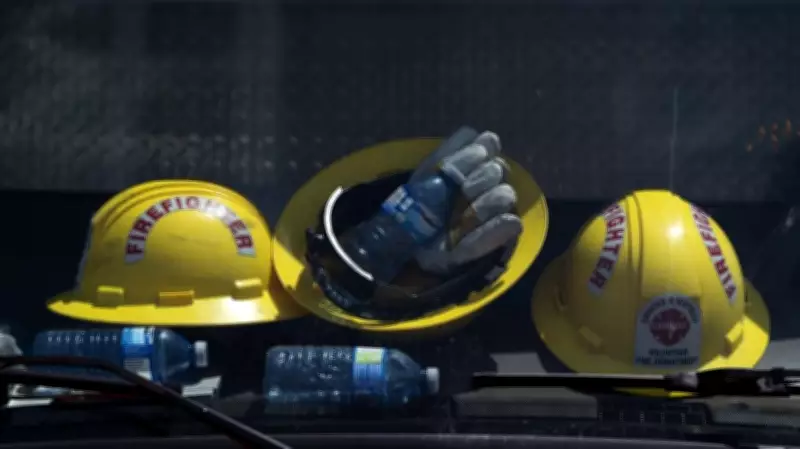
Nova Scotia Bolsters Firefighter Training with New Mobile Burn Units and Props
In a significant move to enhance emergency response capabilities, the province of Nova Scotia is investing in mobile burn units and advanced training props for firefighter education. This initiative aims to provide realistic, hands-on training scenarios that better prepare crews for the intense challenges of fire suppression and rescue operations.
Addressing Critical Training Gaps
The acquisition of these specialized units addresses a longstanding need for more accessible and effective training resources across the province. Mobile burn units are designed to simulate real fire conditions in a controlled environment, allowing firefighters to practice techniques such as ventilation, search and rescue, and fire attack without the logistical hurdles of traditional training methods.
Training props will include structures that replicate various building types, from residential homes to commercial spaces, enabling crews to develop skills tailored to Nova Scotia's diverse urban and rural landscapes. This investment comes at a crucial time, as climate change and urban development increase the complexity of fire risks.

Enhancing Provincial Readiness
By deploying these resources, Nova Scotia aims to standardize and elevate training standards for fire departments statewide. The mobile nature of the units ensures that even remote or under-resourced communities can benefit from high-quality training, reducing disparities in emergency preparedness.
This proactive approach not only improves firefighter safety but also strengthens public protection, as well-trained crews are better equipped to handle emergencies efficiently. The initiative reflects a broader trend in Canadian public safety, where provinces are increasingly prioritizing modernized training infrastructure to combat evolving threats.
Long-Term Benefits and Implementation
The rollout of these training tools is expected to begin in the coming months, with a focus on integrating them into existing fire academy programs and regional drills. Key benefits include:
- Improved skill retention through realistic simulation
- Reduced costs associated with traditional live-fire training
- Enhanced inter-departmental coordination during multi-agency responses
- Greater adaptability to emerging fire scenarios, such as wildfires or structural blazes
As Nova Scotia moves forward with this investment, it sets a precedent for other provinces to follow in bolstering frontline emergency services through innovative training solutions.