Nuclear Arms Control Era Concludes as New Start Treaty Reaches Expiration
The final legal framework limiting the size of deployed nuclear arsenals between the United States and Russia is set to expire this week, marking a significant turning point in global security. The New Start treaty, which has capped operational missiles and warheads for the world's two largest nuclear powers, terminates on Thursday, February 5, 2026.
End of an Era in Nuclear Diplomacy
This development brings to a close more than half a century of arms control efforts between Moscow and Washington, spanning from the Nixon-Brezhnev negotiations in 1972 through Reagan-Gorbachev talks in 1985. The expiration potentially opens a new chapter of great-power atomic brinkmanship with dim prospects for future negotiations.
"I genuinely believe we are now at the threshold of a new arms race," stated James Acton, co-director of the nuclear policy programme at the Carnegie Endowment for International Peace. "I don't think in my lifetime there is going to be another treaty limiting numbers."

Historical Context of Nuclear Limitations
The arms control journey began with the Start I treaty signed in 1991 as the Soviet Union collapsed, establishing the first significant limits on U.S. and Russian strategic nuclear weapons while creating an inspection regime that became the template for post-Cold War arms control. After a brief lapse, New Start succeeded this agreement in 2010 and was extended in 2021.
This treaty had capped the number of nuclear warheads deployed by each country at 1,550—a quantity experts note is more than sufficient to destroy each nation and much of the world. The inspection and verification mechanisms provided crucial transparency between the nuclear rivals.
Current Political Landscape and Future Implications
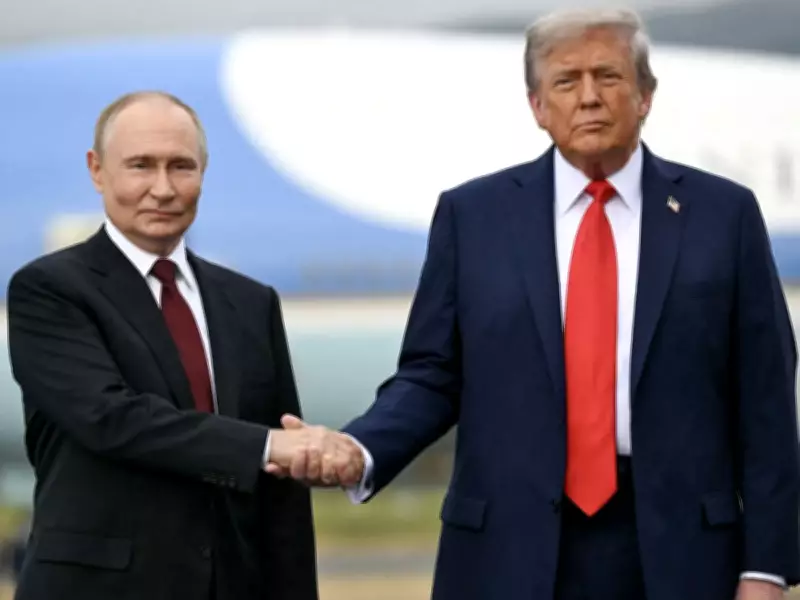
Russian President Vladimir Putin has suggested both sides could voluntarily continue adhering to current limits after expiration. U.S. President Donald Trump, who has described Putin's proposal as a "good idea," has yet to formally respond but indicated he would prefer "a new agreement that's much better" involving both Russia and China.
"President Trump has spoken repeatedly of addressing the threat nuclear weapons pose to the world and indicated that he would like to keep limits on nuclear weapons and involve China in arms control talks," a White House official confirmed.
Discussions over the treaty collapsed after Putin ordered the full-scale invasion of Ukraine in 2022, with Russia suspending participation a year later while hinting at possible resumption of nuclear testing. Last year, Trump ordered the Pentagon to restart nuclear testing "on an equal basis" with Russia and China, though specifics remain unclear.
Broader Global Security Concerns
The expiration occurs against a backdrop of deteriorating U.S.-Russia relations and increasing geopolitical tensions. Experts warn that without the treaty's verification mechanisms and numerical limits, both nations could rapidly expand their nuclear capabilities, potentially triggering a dangerous escalation cycle.
This development represents not just the end of a specific agreement but potentially the conclusion of an entire approach to nuclear risk management that has characterized international relations for decades. The absence of arms control frameworks leaves the world facing unprecedented uncertainty regarding nuclear weapons governance between the two nations possessing approximately 90% of global nuclear warheads.