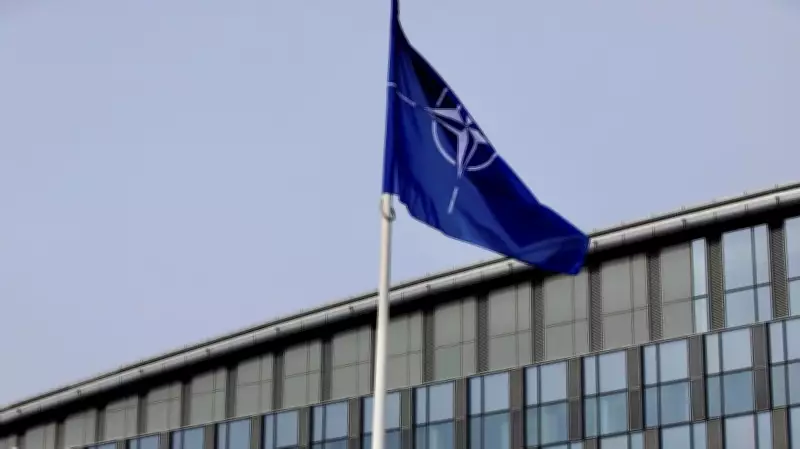
NATO Confirms Planning Underway for New Arctic Mission
NATO has officially announced that planning is currently in progress for a new Arctic mission, as confirmed by a recent report. This development underscores the alliance's increasing strategic focus on the northern regions, where geopolitical dynamics are rapidly shifting. The move signals a proactive approach to enhancing security and presence in the Arctic, an area of growing importance due to its natural resources and strategic location.
Strategic Implications of the Arctic Initiative
The planning for this mission reflects broader concerns within NATO about maintaining stability and deterrence in the face of rising global tensions. As climate change opens new shipping routes and access to resources in the Arctic, the region has become a focal point for international competition. NATO's involvement aims to ensure that these changes do not lead to instability or conflict, aligning with the alliance's commitment to collective defense and regional security.
This initiative is part of a larger trend where NATO is adapting its strategies to address emerging threats and challenges. By focusing on the Arctic, the alliance is not only responding to environmental changes but also to the actions of other global powers that are expanding their presence in the area. The mission planning involves coordination among member states to deploy resources effectively, ensuring a unified and robust response to potential threats.

Context and Broader Security Landscape
The announcement comes at a time when NATO is actively reassessing its global posture. With ongoing conflicts and geopolitical rivalries, the Arctic represents a critical frontier where preemptive measures can prevent escalation. This mission is expected to involve surveillance, joint exercises, and possibly the establishment of new infrastructure to support NATO operations in harsh northern conditions.
Experts suggest that this move could enhance interoperability among allied forces and strengthen partnerships with Arctic nations. It also highlights the importance of technological advancements in cold-weather operations, from specialized equipment to communication systems designed for extreme environments. As planning continues, details on the scope, timeline, and specific objectives of the mission are anticipated to be released in the coming months.
In summary, NATO's confirmation of planning for a new Arctic mission marks a significant step in addressing the evolving security landscape. By prioritizing this region, the alliance aims to safeguard interests and promote stability in an area of increasing global significance.