The Canadian military has maintained a strict silence regarding alleged Chinese interceptions of its patrol aircraft during recent surveillance missions, sparking concerns over airspace security and escalating geopolitical tensions. This development comes amid heightened scrutiny of foreign military activities in sensitive regions where Canada conducts regular patrol operations.
Ongoing Patrol Missions and Security Concerns
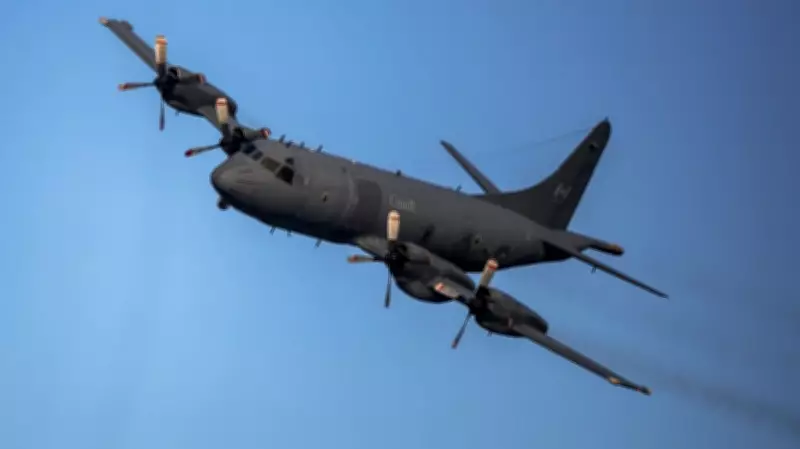
Canadian Armed Forces routinely deploy CP-140 Aurora aircraft for maritime patrol and surveillance duties, often in international airspace near contested regions. These missions are critical for monitoring potential threats and gathering intelligence, but they have increasingly become flashpoints for aerial confrontations with foreign military forces.
Pattern of Intercept Incidents
While official details remain scarce, defense analysts note a growing pattern of intercept incidents involving Canadian aircraft and foreign military jets. Such encounters typically involve aggressive maneuvering or close approaches that can endanger flight safety and violate established international protocols for aerial interactions.

The military's refusal to comment on specific incidents involving Chinese aircraft follows a broader pattern of limited transparency regarding aerial encounters in the region. This silence has prompted questions about whether these incidents represent routine military posturing or signal more serious diplomatic tensions between Canada and China.
Broader Context of Canada-China Relations
These aerial incidents occur against a backdrop of strained diplomatic relations between Ottawa and Beijing, with ongoing disputes spanning trade restrictions, human rights concerns, and regional security issues. Military-to-military communications between the two nations have been particularly tense in recent years, with both sides accusing the other of provocative actions in shared air and maritime spaces.
Operational Implications for Canadian Forces
The reported intercepts raise important questions about the safety of Canadian military personnel conducting patrol missions and the adequacy of existing protocols for de-escalating aerial encounters. Defense experts emphasize that such incidents require careful management to prevent accidental escalation while maintaining Canada's right to operate in international airspace.
As geopolitical competition intensifies in key regions, Canadian military planners face increasing challenges balancing surveillance requirements with operational safety. The military's silence on these specific incidents may reflect broader strategic considerations about information disclosure during sensitive diplomatic periods.
Looking Forward: Transparency and Security Balance
The lack of official comment leaves many questions unanswered about the frequency, severity, and diplomatic implications of these aerial encounters. Parliamentary defense committees and security analysts are likely to press for greater transparency while acknowledging the need to protect operational security and ongoing diplomatic negotiations.
This situation highlights the complex interplay between military operations, diplomatic relations, and public accountability in an era of renewed great power competition. As Canada continues its patrol missions in contested regions, finding the right balance between operational transparency and strategic discretion will remain a persistent challenge for military and political leaders alike.