Defence Minister Cites Security Policy for Silence on Iranian Missile Attack at Canadian Base
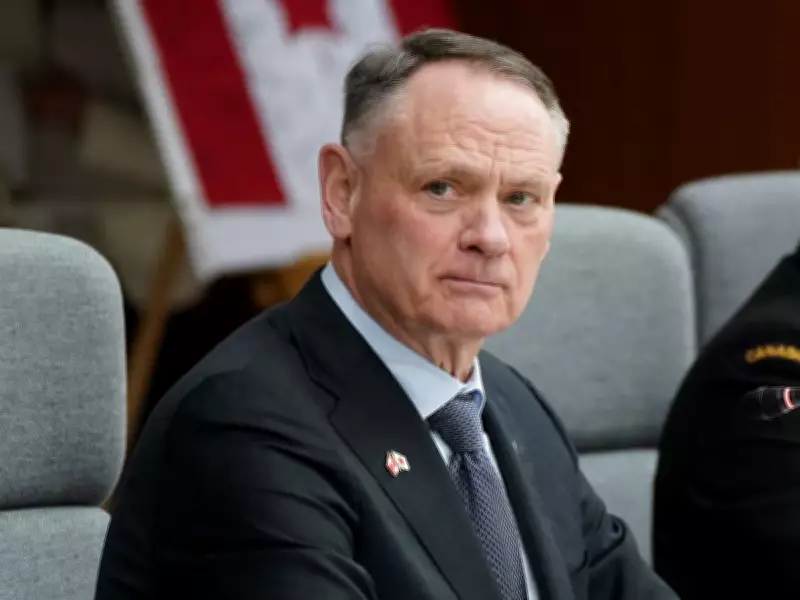
Defence Minister David McGuinty has defended the Canadian government's decision to withhold information about an Iranian missile attack on a Kuwait airbase where Canadian Armed Forces members are stationed, stating the government was following military operational advice to protect security. The minister made these comments during a press conference in Brampton, Ontario, on Tuesday, responding to criticism from opposition parties about the lack of transparency.
Government Follows Military Advice on Security
McGuinty emphasized that the government takes its lead from operational experts within the Canadian Armed Forces, who maintain a policy of extreme caution regarding the security of personnel on the ground. "With all due respect to my colleagues in the Conservative party, we will take our lead from the operational experts in the Canadian Armed Forces," said McGuinty. "Who have a policy of being very careful about the security of our (CAF) on the ground," he added, explaining the rationale behind not informing the public or Parliament about the March 1 attack.
Attack Details and Public Disclosure
The Iranian missile strike targeted the Canadian section of the Ali Al-salem Air Base in Kuwait, known informally as "Camp Canada." Canadians and parliamentarians first learned of the incident through a report published by the Quebec newspaper La Presse on March 10, 2024, eleven days after the attack occurred. When questioned about the report, Prime Minister Mark Carney noted that he was not the sole government spokesperson and confirmed that all Canadian Forces members were safe.

Opposition Criticism and Calls for Transparency
Conservative defence critic James Bezan and other opposition members have strongly criticized the government's handling of the situation, labeling it a failure in communications. Bezan argued that the Liberal government could have assessed the situation promptly and informed Canadians without compromising troop security. "Our allies are doing it and the Liberals should as well, as was the practice under the previous Conservative government," said Bezan in a statement. "The Carney Liberals are clearly making excuses now because they know they were wrong."
Minister's Response to Criticism
In response to the opposition's demands for transparency, McGuinty suggested that the Conservative Party's pursuit of information could potentially compromise security. "I think it's up to the Conservative party to explain why they might want to pursue information or reveal information that would compromise that security," he stated. McGuinty further implied that if Conservative leader Pierre Poilievre had the necessary security clearance, he might receive a briefing that would alter his perspective on the matter.
Broader Issues in Government Communications
Brett Boudreau, a former public affairs officer for the Canadian Armed Forces, commented that this incident reflects systemic problems within government communications. He described a prevailing mindset where all information is treated as secret unless proven otherwise, contributing to a culture of secrecy. Bezan echoed this sentiment, calling for an end to such practices and emphasizing that Canadians deserve respect without requiring special security clearances for basic information.
The debate highlights ongoing tensions between national security concerns and the public's right to know, with the government prioritizing military advice while opposition parties push for greater accountability and transparency in defense matters.