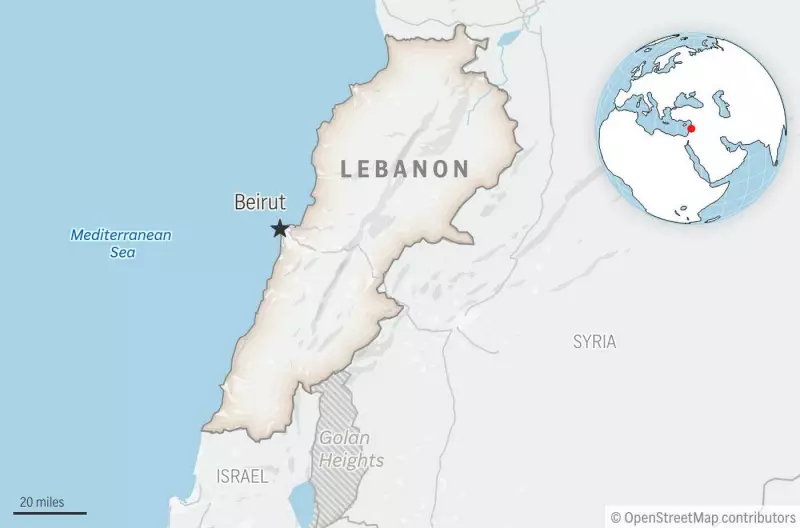
Lebanon has formally communicated to a United Nations delegation that the country will need an alternative security force in place once the mandate for the longstanding UN peacekeeping mission expires. The request underscores the nation's concerns about maintaining stability along its southern border during a period of regional tension.
A Formal Request for Contingency Planning
The Lebanese government delivered this message to a UN technical team currently assessing the situation on the ground. The team's visit is part of standard preparatory work ahead of the UN Security Council's renewal decision for the UN Interim Force in Lebanon (UNIFIL). While the exact timeline for the mission's potential end was not specified in the initial report, the Lebanese stance highlights a proactive approach to the eventual transition.
This development comes amid a complex geopolitical landscape. UNIFIL, which was originally established in 1978, has played a key role in monitoring the cessation of hostilities between Lebanon and Israel. Its mandate is routinely renewed by the Security Council, but Lebanon's latest request signals a focus on long-term security arrangements beyond the peacekeepers' presence.

The Role and Context of UNIFIL
The UN force operates primarily in southern Lebanon, a region that has seen periodic conflict. Its core tasks include monitoring the Blue Line—the demarcation line between Lebanon and Israel—and assisting the Lebanese Armed Forces in ensuring the area remains calm. The potential need for a "back-up force" suggests Lebanese authorities are contemplating a future where a different, perhaps more nationally-led, security apparatus takes precedence.
Analysts suggest this move could be interpreted as Lebanon asserting greater sovereignty over its own security while still acknowledging the value of international support during a transitional phase. The nature, composition, and authority of such a proposed back-up force remain subjects for future discussion between Lebanese officials, the UN, and key international stakeholders.
Implications for Regional Stability
The request places the issue firmly on the agenda for the upcoming Security Council deliberations. Member states will now need to consider not only the renewal of UNIFIL's mandate but also the feasibility and structure of any follow-on presence requested by the host nation. This marks a significant moment in the mission's long history, potentially setting the stage for a new chapter in international engagement in Lebanon's security.
The outcome of these discussions will be closely watched, as it will directly impact the security dynamics along one of the Middle East's most sensitive borders. Ensuring a smooth transition, should the peacekeepers' term eventually end, will be paramount to preventing a security vacuum that could be exploited by armed groups or lead to renewed hostilities.