Iran's Supreme Leader Issues Stark Warning Amid Escalating Tensions with United States
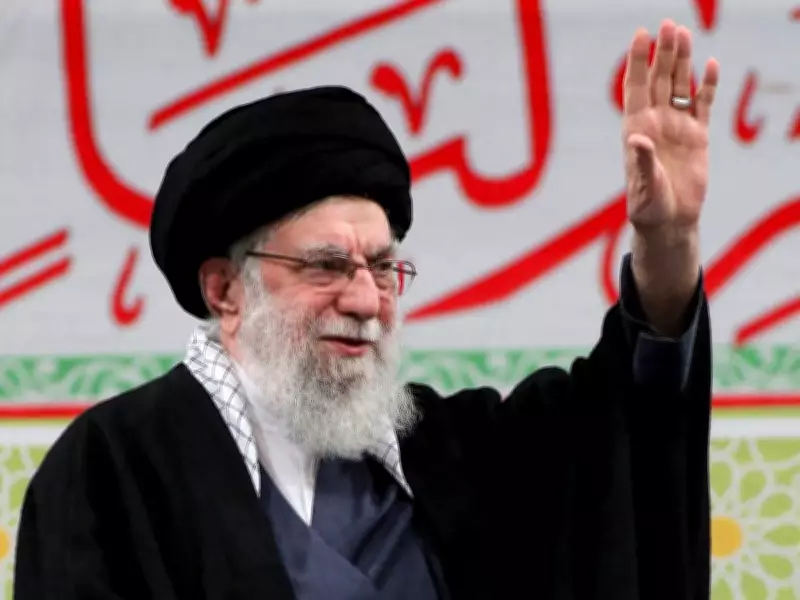
Iran's Supreme Leader Ayatollah Ali Khamenei has delivered a forceful warning that Tehran will respond aggressively to any threats against the nation, as tensions with the United States continue to escalate toward potential military confrontation. The remarks come during a period of heightened saber-rattling that has pushed both countries to the brink of conflict.
Khamenei's Public Address Warns of Regional Consequences
In a public speech broadcast on state television this Sunday, Khamenei stated clearly that Iran does not seek to attack other nations, but emphasized that the country would not hesitate to retaliate against perceived threats. "We don't want to attack any country," Khamenei declared. "But in response to anyone who harbours ambitions, wants to attack, and seeks to cause harm, the Iranian people will strike back forcefully."
The Iranian leader's comments specifically addressed the growing possibility of U.S. military action against Tehran, warning that such moves could spark broader regional conflict. Khamenei described recent popular unrest in Iran as "a coup that was suppressed" and reiterated longstanding claims that the United States was behind the protests that have shaken the country in recent months.

Background of Escalating U.S.-Iran Tensions
The current crisis has been building for weeks following threats by former President Donald Trump in January to attack Iran over Tehran's deadly crackdown on protests. These demonstrations initially erupted over economic and living conditions but quickly spread across multiple cities before being met with forceful government suppression.
Official reports place the death toll from these protests at 3,117, though activist groups claim to have confirmed more than 6,700 fatalities. Many believe the actual number may be significantly higher, as authorities imposed a weeks-long communications blackout that likely concealed the full scale of the government response.
In response to the escalating situation, Trump ordered a U.S. aircraft carrier strike group to the Middle East and continued deploying additional military assets to the region. Despite these moves, the former president claimed Iranian leaders had assured him the killings had stopped and that no executions would take place.
Nuclear Negotiations and Regional Threats
The military buildup has served to maintain pressure on Iran to negotiate a new nuclear deal, even as Trump previously claimed that U.S. strikes on Iranian nuclear facilities in June had obliterated the country's atomic program. On Saturday, Trump stated without elaboration that Tehran was engaged in talks with Washington, adding, "I hope they negotiate something that is acceptable."
Iran has responded to the pressure with its own threats, declaring that Israel would become a target in the event of a U.S. strike, along with American military bases throughout the region. Tehran has acted on similar threats in the past by striking facilities hosting U.S. forces in Qatar and Iraq.
Diplomatic Efforts Intensify Amid Military Posturing
As military tensions rise, diplomatic activity has also intensified. Iran's foreign ministry confirmed that Qatar's Foreign Minister Mohammed bin Abdulrahman Al Thani paid an unannounced visit to Tehran on Saturday, holding talks focused on "safeguarding regional peace and stability" with Iranian officials.
Last week, Turkish President Recep Tayyip Erdogan stated that Turkey was prepared to take on a facilitating role between Iran and the United States, suggesting that regional powers are increasingly concerned about the potential for conflict.
Khamenei's Assessment of Iranian Readiness
The 86-year-old Supreme Leader expressed confidence in the Iranian people's resilience, stating they "shouldn't be frightened by these things" and "don't fear a just confrontation." He emphasized that the population, which has posed the most serious challenge to his authority in the history of the Islamic Republic, remains prepared for potential conflict.

Khamenei's warning comes at a critical juncture in Middle Eastern geopolitics, with regional stability hanging in the balance as both Iran and the United States continue their military and diplomatic maneuvering. The situation remains fluid, with the potential for miscalculation or escalation posing significant risks to international security.