Israeli Airstrikes Claim 30 Lives in Gaza, Including Children, as Ceasefire Negotiations Inch Forward
In a tragic escalation of violence, Israeli military strikes have killed at least 30 Palestinians in the Gaza Strip, with reports confirming that children are among the deceased. The attacks come at a critical juncture, as international mediators work to advance a fragile ceasefire agreement between Israel and Hamas. The situation underscores the ongoing humanitarian crisis in the region, where civilian casualties continue to mount despite diplomatic efforts.
Details of the Strikes and Casualties
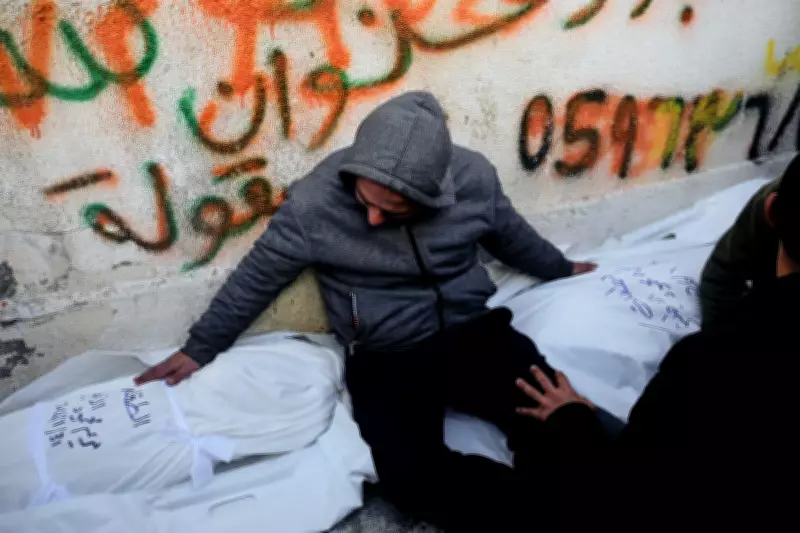
The strikes targeted areas in Gaza City, with one incident at Shifa Hospital highlighting the personal toll of the conflict. Mahmoud Al-Atbash was seen mourning the bodies of his two daughters, Zeina and Maryam, who were killed in an Israeli military operation. This heartbreaking scene, captured on January 31, 2026, illustrates the devastating impact on families caught in the crossfire. Medical sources in Gaza have reported that the death toll includes multiple children, raising concerns about violations of international laws protecting civilians in conflict zones.
Israeli authorities have stated that the strikes were aimed at Hamas military infrastructure, but they have not provided specific details on the targets or acknowledged the civilian casualties. Meanwhile, Hamas officials have condemned the attacks as a brutal assault on innocent lives, calling for immediate international intervention to halt the violence.

Ceasefire Negotiations and International Response
Amid the bloodshed, ceasefire talks have been making incremental progress, with mediators from countries like Egypt and Qatar facilitating discussions. The goal is to establish a temporary truce that could pave the way for longer-term peace negotiations. However, the recent strikes have complicated these efforts, as Palestinian factions demand accountability and assurances for civilian protection.
The international community has expressed alarm over the rising death toll. United Nations officials have urged both sides to exercise restraint and prioritize humanitarian considerations. In a related development, UN Secretary-General António Guterres has warned of the organization's imminent financial collapse, which could hinder its ability to provide aid and mediate conflicts globally.
Broader Context and Regional Implications
The Israel-Hamas war, which has seen periodic flare-ups since its inception, remains a deeply entrenched conflict with no easy resolution. Key issues include territorial disputes, security concerns, and the humanitarian situation in Gaza, where residents face severe shortages of food, water, and medical supplies. The latest casualties add to a grim tally, with thousands of Palestinians and Israelis having lost their lives over the years.
From a Canadian perspective, this conflict resonates due to the country's role in international diplomacy and its diverse population with ties to the region. While the news focuses on Gaza, it is part of a larger global narrative of conflict and peacebuilding. The Canadian government has historically supported a two-state solution and called for de-escalation, though its direct involvement in current negotiations is limited.
As the world watches, the path forward remains uncertain. The success of ceasefire talks will depend on the willingness of both parties to compromise and the sustained pressure from the international community. For now, the people of Gaza continue to endure the harsh realities of war, with hopes for peace hanging in the balance.