Israeli Airstrikes Claim Twelve Lives in Gaza, Including Vulnerable Civilians
Hospital officials in the Gaza Strip have confirmed that Israeli military strikes have resulted in the tragic deaths of twelve individuals, a toll that includes two young children and a pregnant woman. The incident, which occurred recently, underscores the severe human cost of the ongoing conflict in the region.
Details of the Casualties and Ongoing Humanitarian Crisis
According to medical authorities on the ground, the strikes targeted areas within Gaza, leading to immediate fatalities and injuries. The victims, identified as civilians, highlight the vulnerability of non-combatants amidst the hostilities. The inclusion of children and a pregnant woman in the death count has drawn international concern and calls for heightened protection of innocent lives.
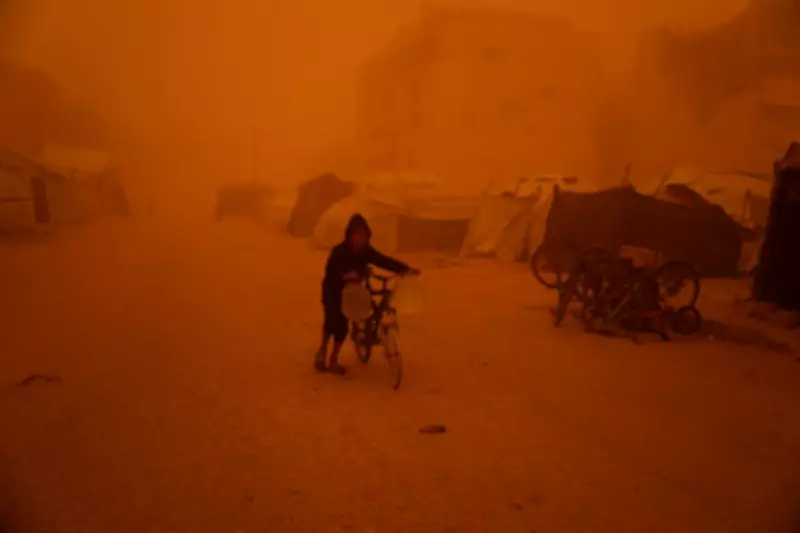
Hospital sources emphasized that emergency teams are struggling to cope with the aftermath, as resources are stretched thin due to prolonged conflict. The situation is further exacerbated by environmental challenges, such as recent sandstorms, which complicate relief efforts and daily survival for residents.

Context of Regional Tensions and International Response
This event adds to a series of violent exchanges between Israeli forces and Palestinian groups, contributing to a deteriorating humanitarian landscape in Gaza. International observers have repeatedly warned about the impact on civilian populations, urging all parties to adhere to international law and prioritize civilian safety.
The timing of these strikes coincides with broader geopolitical developments, including discussions on Arctic defence and energy markets, but the immediate focus remains on the loss of life and the urgent need for de-escalation. Humanitarian organizations are calling for increased aid and diplomatic interventions to prevent further casualties.
Broader Implications for Public Health and Security
The deaths in Gaza reflect a pattern of violence that affects public health systems, already burdened by issues like infectious diseases and mental health crises in conflict zones. Experts note that such incidents can have long-term effects on community well-being and regional stability.
As investigations continue, hospital officials are documenting the casualties to provide accurate data for international bodies. The hope is that this information will galvanize efforts toward a peaceful resolution and enhanced protections for civilians in future conflicts.