Israeli Airstrike in Southern Lebanon Claims Lives of Three Journalists
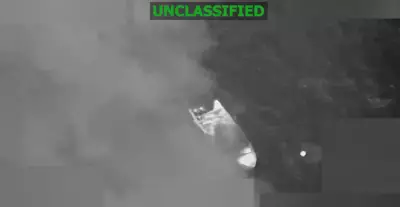
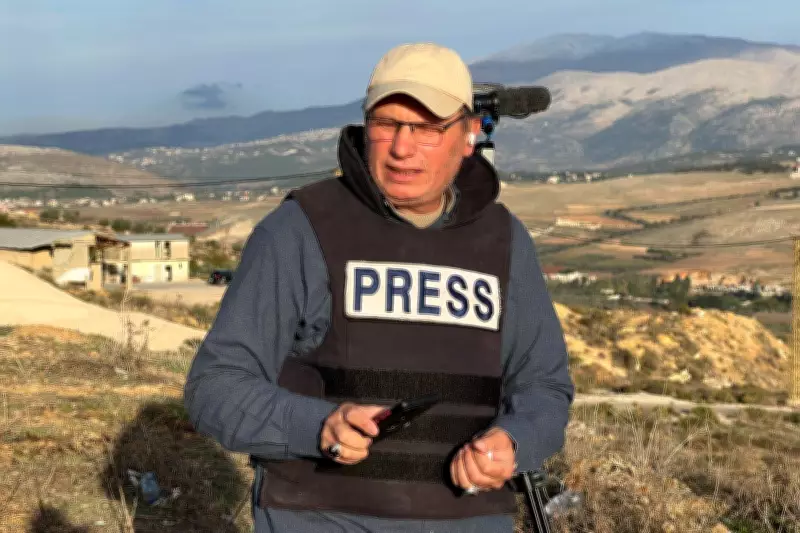
An Israeli airstrike in the town of Jezzine, located in southern Lebanon, resulted in the tragic deaths of three journalists on Saturday, March 28, 2026. The victims were actively covering the ongoing conflict in the region when the strike occurred. Among those killed was Ali Shoeib, a correspondent for Hezbollah's al-Manar TV, a prominent media outlet associated with the Lebanese militant group.
Details of the Incident and Victims
The airstrike targeted the journalists as they were reporting from Jezzine, an area that has seen increased military activity. Ali Shoeib, known for his coverage in conflict zones, was previously seen reporting from the town of Marjayoun in November 2024. The other two journalists have not been publicly identified at this time, but reports indicate they were also engaged in war coverage. This incident highlights the severe risks faced by media personnel operating in volatile war zones, where they often work under constant threat of violence.
Context of the Ongoing Conflict
The strike occurs amid escalating tensions between Israel and Hezbollah, with frequent cross-border exchanges of fire in southern Lebanon. Journalists play a critical role in documenting these events, providing essential information to the global public. However, their safety is increasingly compromised as conflicts intensify. International press freedom organizations have repeatedly called for the protection of journalists in conflict areas, emphasizing their status as civilians under international law.

Reactions and Implications
While official statements from Israeli authorities regarding this specific strike are pending, such incidents often draw condemnation from media advocacy groups and human rights organizations. The killing of journalists not only represents a loss of life but also threatens the free flow of information, potentially obscuring the realities of war from public view. This event underscores the broader dangers in conflict journalism, where reporters risk their lives to shed light on humanitarian crises and military actions.
As investigations into the airstrike continue, the international community watches closely, with calls for accountability and enhanced measures to safeguard journalists in conflict zones. The deaths of Ali Shoeib and his colleagues serve as a stark reminder of the perils inherent in war reporting and the urgent need for greater protections for those who bring news from the front lines.