Israel Pledges Heightened Strikes as Iran Demonstrates Extended Missile Capabilities
As the Middle East conflict enters its fourth week, tensions have escalated dramatically with Israel's defense minister issuing a stark warning of increased military action against Iran. Simultaneously, Iran has targeted a joint U.K.-U.S. air base in the Indian Ocean, showcasing a previously unacknowledged missile range that extends far beyond regional boundaries.
Iran's Long-Range Strike and Nuclear Facility Attack
On Saturday, Iran launched an attack on the Diego Garcia air base, located approximately 2,500 miles (4,000 kilometers) from its territory. This assault indicates that Tehran possesses missiles capable of reaching much farther distances than previously known, raising global security concerns. Britain condemned the strike, labeling Iran's actions as a threat to British interests and allies, though details of the unsuccessful attempt remain scarce.
In a separate incident, Iran's Natanz nuclear enrichment facility was hit by an airstrike, as reported by an official Iranian news agency. The facility, a key site for uranium enrichment, sustained damage, but authorities confirmed no radiation leakage occurred. The International Atomic Energy Agency is investigating the strike, which follows previous attacks on the site earlier in the war.

Israeli Threats and Regional Fallout
Israel's Defense Minister Israel Katz declared in a video statement that "the intensity of the attacks" by Israel and the United States against Iran's ruling theocracy will "increase significantly" in the coming week. This announcement came shortly after fragments from an Iranian missile struck an empty kindergarten near Tel Aviv, with no casualties reported.
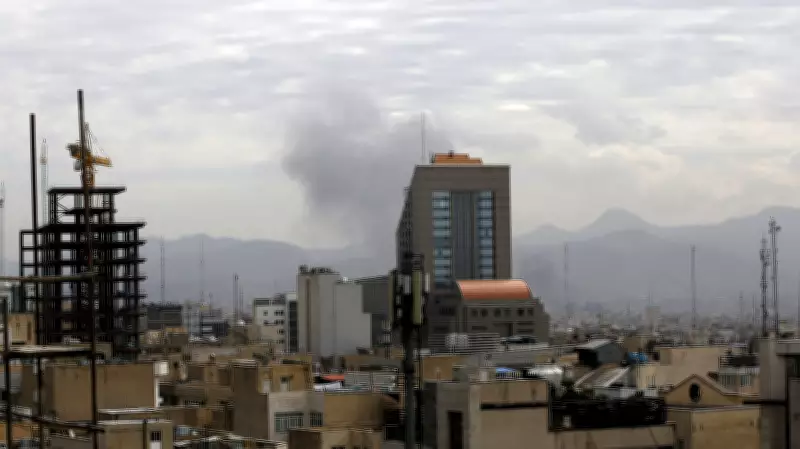
Overnight and into Saturday morning, Tehran experienced heavy airstrikes, according to residents. In Iraq, a drone attack on the intelligence service headquarters in Baghdad resulted in the death of an officer, with no group immediately claiming responsibility. Saudi Arabia reported downing 20 drones in its eastern region, home to major oil installations, though no injuries or damage were noted.
U.S. Involvement and Mixed Messages
U.S. President Donald Trump stated on Friday that he was considering "winding down" military operations in the Middle East, even as the U.S. deploys three more amphibious assault ships and approximately 2,500 additional Marines to the region. This move aims to bolster firepower, with over 50,000 U.S. troops already stationed there. Trump's comments followed an Iranian threat to attack recreational and tourist sites worldwide and a surge in oil prices that impacted the U.S. stock market.
The Trump administration also announced the lifting of sanctions on Iranian oil already loaded on ships, a strategy intended to mitigate soaring fuel prices. Despite these developments, the war shows no signs of abating, with Iranian Foreign Minister Abbas Araghchi emphasizing a desire for a "complete, comprehensive and lasting end to the war" rather than a cease-fire.
Broader Implications and Leadership Uncertainty
Iran's Supreme Leader Ayatollah Mojtaba Khamenei praised Iranians' resilience in a written statement for the Persian New Year, though he has not been seen publicly since assuming leadership after Israeli strikes killed his father. With limited information emerging from Iran, the extent of damage to its military, nuclear, and energy facilities remains unclear, as does the true state of leadership within the country.
The ongoing conflict continues to disrupt global oil supplies, driving up food and fuel prices beyond the Middle East. As attacks and threats persist, the international community watches closely, with Britain allowing U.S. bombers to use U.K. bases, including Diego Garcia, to counter Iranian threats in the Strait of Hormuz.