Israel Conducts New Military Strike on Southern Beirut
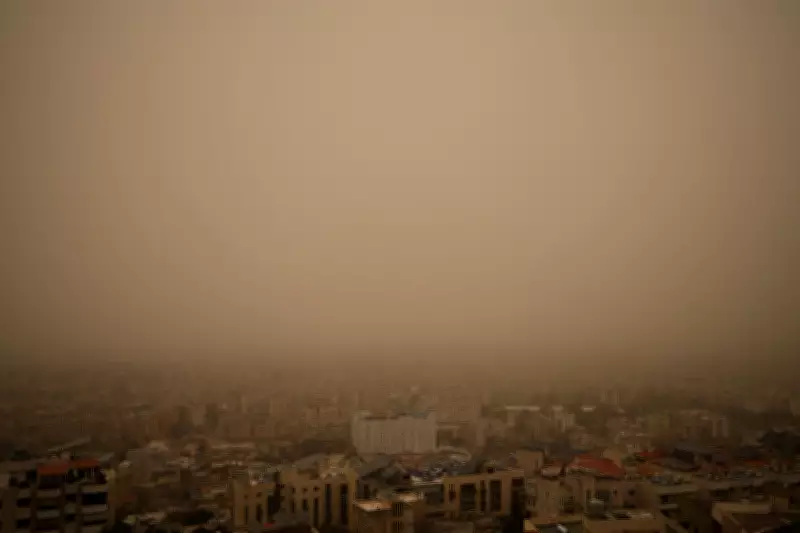
Israeli forces launched a fresh strike on the southern suburbs of Beirut, Lebanon, on Saturday, March 14, 2026, escalating regional tensions amid ongoing conflicts in the Middle East. The attack targeted the Dahiyeh area, a densely populated district known for its Hezbollah affiliations, as a severe sandstorm enveloped the region, reducing visibility and potentially hindering emergency responses.
Details of the Strike and Immediate Aftermath
The strike occurred in the early hours, with reports indicating significant structural damage to buildings in the vicinity. Local authorities have not yet released official casualty figures, but initial accounts suggest potential injuries and displacements among residents. The sandstorm, which had been forecasted earlier in the week, added a layer of complexity to the situation, with dust and debris complicating rescue operations and assessments.
Regional Context and Escalating Tensions

This incident marks the latest in a series of military actions between Israel and Lebanese factions, particularly Hezbollah, which has been involved in cross-border skirmishes in recent months. Analysts note that such strikes often occur in retaliation for rocket attacks or other provocations, though specific triggers for this event remain unclear. The timing, amidst a sandstorm, raises questions about strategic considerations and the challenges of urban warfare in adverse weather conditions.
Impact on Civilian Populations and Infrastructure
Residents in southern Beirut reported hearing loud explosions and feeling vibrations, with many taking shelter in basements or fleeing to safer areas. Critical infrastructure, including power lines and water supplies, may have been affected, though assessments are ongoing. Humanitarian organizations are mobilizing to provide aid, emphasizing the need for medical supplies and temporary housing for those displaced.
International Reactions and Diplomatic Efforts
Global leaders have called for restraint, with the United Nations urging both sides to de-escalate and avoid further civilian harm. Diplomatic channels are active, but progress toward a ceasefire remains uncertain. This strike underscores the fragile security situation in the region, where minor incidents can quickly spiral into broader conflicts.
Looking Ahead: Potential Ramifications
Experts warn that continued military engagements could lead to a wider regional war, drawing in other actors and destabilizing neighboring countries. The sandstorm's aftermath may also pose environmental and health risks, such as respiratory issues from dust inhalation. Monitoring groups are closely watching for any retaliatory actions, which could further inflame the situation.
In summary, Israel's latest strike on south Beirut highlights the ongoing volatility in the Middle East, with civilian safety and regional stability hanging in the balance. As investigations proceed, the international community remains vigilant, hoping for a peaceful resolution to prevent further escalation.