Israel Launches New Strikes on Iran Amid Escalating Strait of Hormuz Crisis
Israel initiated a fresh wave of military strikes targeting Iran on Friday, March 27, 2026, as diplomatic tensions soared over control of the strategic Strait of Hormuz. The attacks focused on sites in Tehran involved in ballistic missile production and weapon storage, according to Israeli military statements. Simultaneously, air raid sirens echoed across Israel as defenses worked to intercept incoming Iranian missiles.
Trump Extends Deadline Amid Claims of Progress
United States President Donald Trump announced an extension of his self-imposed deadline for Iran to reopen the Strait of Hormuz, pushing it to April 6. He asserted that negotiations to end the conflict were proceeding "very well," despite Iranian officials maintaining they are not engaged in any formal talks. The strait, through which approximately one-fifth of global oil shipments typically pass, remains under Iranian control, creating widespread economic anxiety.
Diplomatic Maneuvers and Military Buildup
The United States has presented Iran with a 15-point proposal for a ceasefire, facilitated through Pakistan as an intermediary. This plan includes demands for Iran to relinquish control of the Strait of Hormuz and accept restrictions on its nuclear program. In response, Iran has rejected the offer and submitted its own five-point proposal, which calls for reparations and recognition of its sovereignty over the vital waterway.

While diplomatic efforts intensify, the U.S. is simultaneously bolstering its military presence in the region. Approximately 2,500 Marines are en route aboard naval vessels, and at least 1,000 paratroopers from the 82nd Airborne Division have been deployed, trained for operations in hostile territories. This dual approach highlights the precarious balance between seeking a peaceful resolution and preparing for potential military escalation.
Regional and Global Impacts
The conflict's repercussions extend far beyond the Middle East, with significant economic and humanitarian consequences:
- Economic Fallout: Global stock markets experienced substantial declines, with Asian shares mostly falling on Friday. Brent crude oil prices surged to $107 per barrel, marking a 45% increase since the war began on February 28.
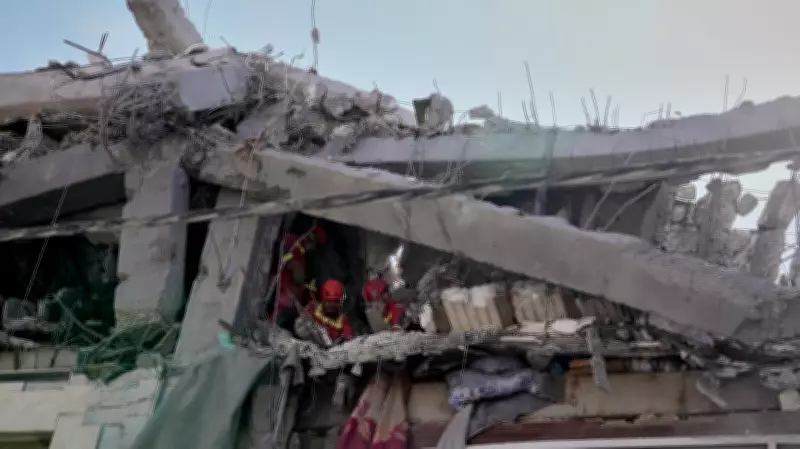
- Humanitarian Crisis: The Norwegian Refugee Council reports extensive damage to civilian infrastructure in Iran, including homes, hospitals, and schools. The International Organization for Migration estimates 82,000 buildings have been damaged, affecting 180,000 people.
- Casualty Toll: More than 1,900 people have been killed in Iran, with additional fatalities reported in Lebanon, Israel, Gulf Arab states, and among U.S. troops.
International Reactions and Continued Strikes
Iran continued its offensive actions, firing missiles and drones at Gulf Arab neighbors, triggering sirens in Bahrain, Qatar, and the United Arab Emirates. Kuwait reported material damage to ports, including a Chinese-affiliated project under the Belt and Road Initiative, marking one of the first such attacks on Chinese interests in the region.
The United Nations Security Council scheduled closed consultations on Iran, requested by Russia to address attacks on civilian infrastructure. Meanwhile, Egypt's Foreign Minister Badr Abdelatty engaged in intensive diplomatic efforts with Turkish and Pakistani counterparts, aiming to facilitate direct U.S.-Iran talks and promote gradual de-escalation.
As the situation remains volatile, the international community faces mounting pressure to broker a ceasefire and prevent further humanitarian and economic devastation. The intertwined dynamics of military action, diplomatic negotiations, and global energy security continue to define this escalating conflict.