

Israel Observes Solemn Milestone with Return of Final Hostage's Remains
Israel has marked a poignant and somber chapter in its recent history with the return of the remains of Ran Gvili, the final hostage held in Gaza, after more than two years. This event brings a painful closure to a prolonged ordeal that has deeply affected families and the nation, highlighting the enduring human cost of conflict.
A City in Reflection: Tel Aviv's Hostages Square
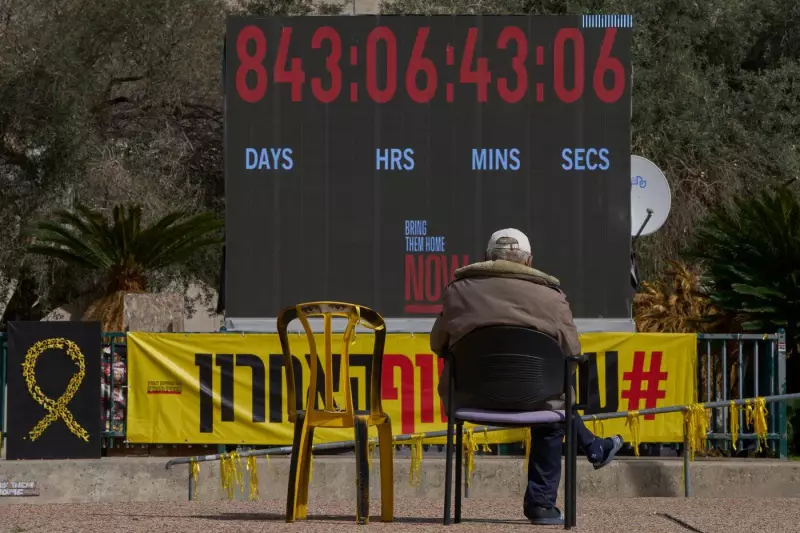
In Tel Aviv, passersby gathered at Hostages Square, a site that has become a focal point for remembrance and advocacy. They observed a screen displaying the time elapsed since the Hamas attack, a stark reminder of the days, months, and years that have passed. The return of Gvili's remains, occurring just one day prior, cast a solemn atmosphere over the area, as citizens reflected on the loss and resilience intertwined in this long-standing issue.
The visual display in Hostages Square serves not only as a memorial but also as a public testament to the ongoing impact of hostage situations on Israeli society. It underscores the collective memory and mourning that persist, even as steps toward resolution are taken.

Broader Context and National Implications
This development occurs against a backdrop of complex regional dynamics and ongoing efforts to address hostage crises. The return of remains after such an extended period underscores the challenges in conflict resolution and the humanitarian efforts involved. It also raises questions about future policies and diplomatic strategies to prevent similar tragedies.
For many Israelis, this event is a reminder of the personal stories behind geopolitical conflicts, emphasizing the need for continued vigilance and support for affected families. The nation's response may influence public discourse on security, peace processes, and international relations in the coming months.
Looking Ahead: Reflections on Healing and Memory
As Israel processes this milestone, the focus shifts to healing and honoring the memories of those lost. Communities are likely to engage in ceremonies and discussions to commemorate Gvili and others affected, fostering a sense of unity and resilience. This event may also prompt broader conversations about conflict prevention and the importance of timely resolutions in hostage situations.
In summary, the return of the final hostage's remains marks a significant, albeit sorrowful, moment for Israel, with implications for national identity and future policy directions. It serves as a powerful reminder of the human toll in conflicts and the enduring hope for peace and closure.






