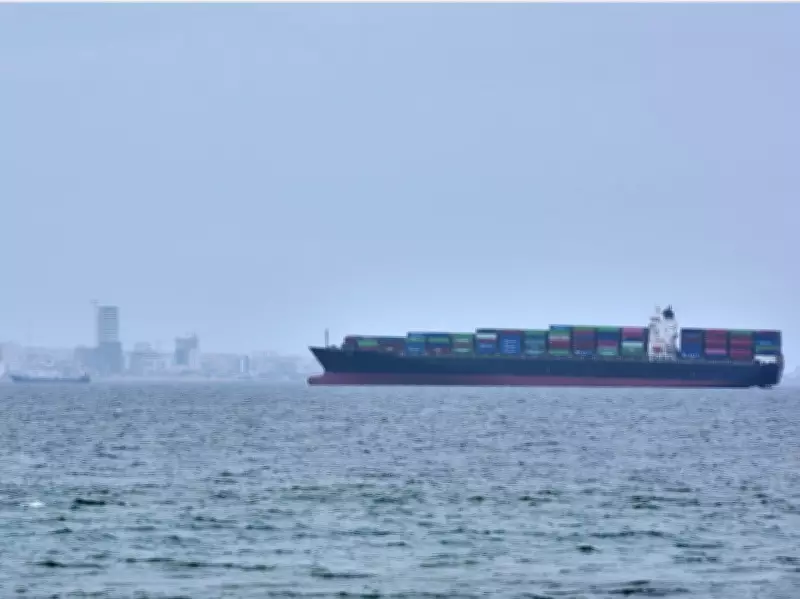
Iran War Updates: Standoff Intensifies in Strait of Hormuz After Trump Issues 'Shoot and Kill' Order
Tensions between the United States and Iran over the Strait of Hormuz escalated sharply on Friday, following U.S. President Donald Trump's announcement that he had directed the American military to 'shoot and kill' Iranian small boats operating in the strategic waterway. The order came amid a broader confrontation that has seen the U.S. and Iran locked in a conflict since late February.
Trump's Directive and Iranian Response
In a statement late Thursday, Trump declared that the U.S. military had been authorized to use lethal force against Iranian vessels that approach American ships in the Strait of Hormuz. The president characterized the move as a necessary measure to protect U.S. naval assets and ensure freedom of navigation in the critical oil shipping route. Iran swiftly rejected the claim, with officials denying any internal leadership rift that Trump had suggested existed within the Islamic Republic. Since the death of Supreme Leader Ali Khamenei in the initial U.S. strike on February 28, the chain of command in Iran has been opaque, with multiple civilian and military figures vying for influence.
Ceasefire Extension Between Israel and Hezbollah
In a related development, Trump also revealed on Thursday night that Israel and Lebanon had agreed to extend the ceasefire between Israel and Hezbollah by three weeks. The agreement was reached following talks at the White House, though details of the negotiations remain sparse. The extension aims to reduce hostilities along the Israel-Lebanon border, a flashpoint that has seen periodic violence.

Drone Strikes in Kuwait
On Friday morning, Kuwait reported that explosive drones launched from Iraq had struck two sites along its northern land border. The Kuwaiti army confirmed via social media that the drones caused material damage but resulted in no casualties. The incident underscores the widening geographic scope of the conflict, with Iran-aligned militias in Iraq potentially involved.
Iranian Diplomacy with Pakistan
Iranian Foreign Minister Abbas Araghchi held phone conversations with Pakistani officials, including Foreign Minister Ishaq Dar and Army Chief Field Marshal Asim Munir, to discuss the ongoing ceasefire with the United States and Israel. A statement from Araghchi's office noted that the talks covered 'regional developments and issues related to the ceasefire,' without providing specifics. Pakistan later acknowledged the call, emphasizing that both sides exchanged views on regional developments, the ceasefire, and diplomatic efforts led by Islamabad to facilitate U.S.-Iran engagement. Pakistan has been attempting to broker talks between American and Iranian representatives in Islamabad.
EU Warns of Weaker Deal
European Union foreign policy chief Kaja Kallas expressed concern that the current peace negotiations between the U.S. and Iran could produce a 'weaker' agreement than the 2015 Joint Comprehensive Plan of Action (JCPOA). Speaking in Cyprus, Kallas warned that if talks focus solely on nuclear issues without including nuclear experts, the resulting deal would be inferior to the Obama-era accord, which Trump abandoned in 2018. She emphasized that negotiators must also address Iran's missile programs, support for proxy forces, and hybrid and cyber activities in Europe to prevent a more dangerous outcome.
The situation remains fluid, with both military and diplomatic fronts active. The standoff in the Strait of Hormuz continues to threaten global oil supplies, while efforts to secure a broader ceasefire face significant hurdles.