Iran Escalates Rhetoric with Renewed Threats Against Israel
Iran's military leadership has intensified its warnings against Israel, with senior officials stating that Tehran stands ready to launch strikes against the Zionist regime. This development comes amid growing speculation about potential U.S. military action against the Islamic Republic, creating heightened tensions across the Middle East region.
Military Leaders Issue Direct Warnings
Major General Amir Hatami, Iran's army chief, delivered a stark message through state-run media, declaring that "our finger is on the trigger" as Iranian forces closely monitor hostile movements throughout the region. He emphasized that any aggressive action by enemies would "without doubt endanger its own security, the security of the region, and the security of the Zionist regime."
These statements follow similar warnings from Ali Shamkhani, an adviser to Supreme Leader Ayatollah Ali Khamenei, who told Beirut-based media that Tehran maintains readiness to deliver what he described as a "proportionate, effective, and deterrent response" if hostile intent is detected. This response could potentially include strikes deep within Israeli territory.

U.S. Military Presence Fuels Tensions
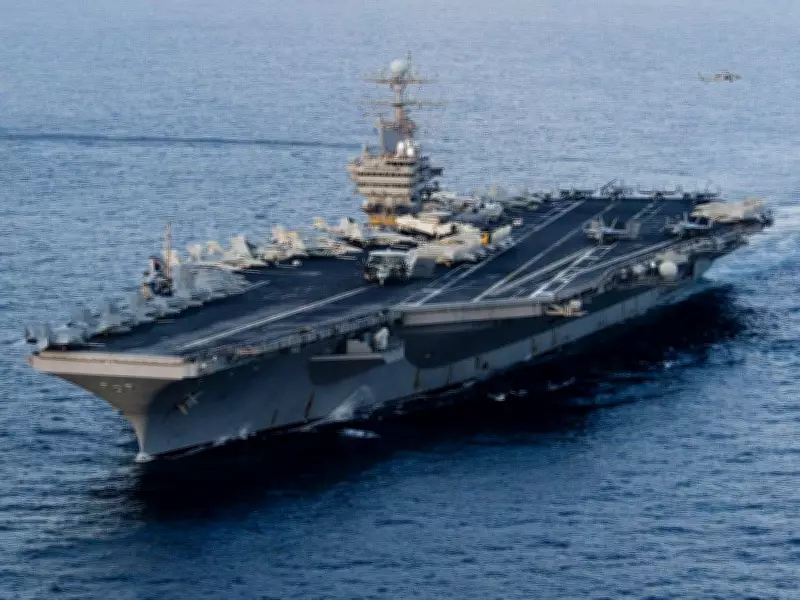
The renewed threats occur against a backdrop of significant U.S. military deployments to the Gulf region. The Nimitz-class aircraft carrier USS Abraham Lincoln has been transiting the Arabian Sea, part of what Iranian officials characterize as heavy military movements by Washington. These deployments follow President Donald Trump's decision to order military hardware to the Middle East earlier this month.
Trump has simultaneously engaged in diplomatic overtures, claiming he persuaded Iranian leadership to delay executing demonstrators and urging renewed nuclear negotiations. This dual approach of military pressure and diplomatic engagement has created a complex and volatile situation in the region.
Iranian Preparations for Potential Conflict
Evidence suggests Iranian authorities are taking concrete steps to prepare for potential hostilities. Tehran Mayor Alireza Zakani revealed that the city has begun converting underground parking facilities into shelters, while semi-official media reported that a burial site with approximately 5,000 graves has been prepared near Tehran's main cemetery. Officials described this site as intended for "the temporary burial of potential casualties among invading US soldiers."
Regional Incidents Add to Tensions
Several incidents in southern Iran have contributed to the heightened atmosphere of uncertainty. In the strategic port city of Bandar Abbas, near the vital Strait of Hormuz, an explosion destroyed multiple floors of an eight-story residential building, killing at least one person and injuring more than a dozen others. Separately, officials reported five fatalities from a household gas explosion in Ahvaz in southwestern Khuzestan province.
While authorities have not officially linked these incidents to security concerns, they occur as Iran prepares for scheduled naval exercises in southern waters. The United States has issued warnings to Iran to avoid what it terms "escalatory behavior" during these military drills.
Nuclear Negotiations Remain Central
Amid the military posturing, diplomatic channels remain active. Iran's Foreign Minister Abbas Araghchi recently stated via social media that Tehran remains prepared to "embrace a fair and equitable nuclear deal" that would ensure no nuclear weapons development while guaranteeing the lifting of sanctions. This statement comes months after U.S. airstrikes targeted three Iranian nuclear sites, an action that significantly heightened regional tensions.
The current situation represents a delicate balance between military preparedness and diplomatic engagement, with regional stability hanging in the balance as multiple actors navigate complex security concerns and political calculations.