Iran Announces Military Drill in Strategic Strait of Hormuz as U.S. Tensions Simmer
Iran has declared plans to conduct a military exercise in the Strait of Hormuz, a narrow maritime passage of immense global significance, as diplomatic and military tensions with the United States remain elevated. This development underscores the persistent volatility in a region critical to international energy security and trade flows.
The Strategic Importance of the Strait of Hormuz
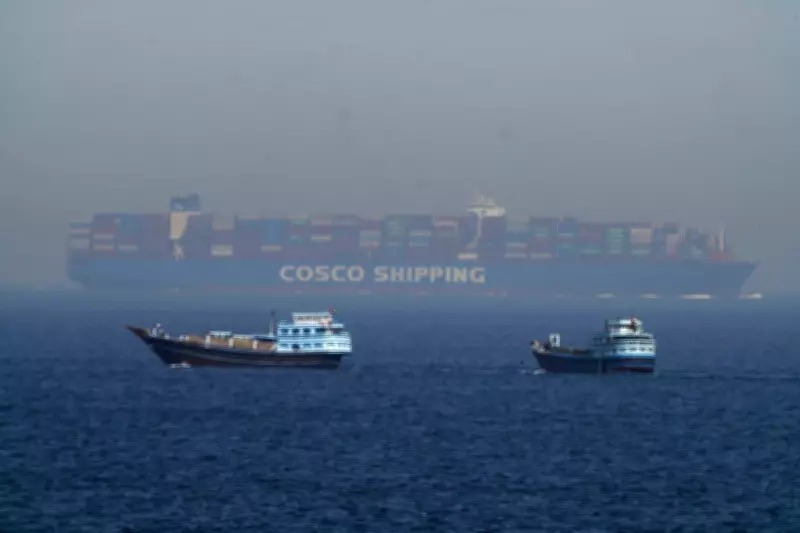
The Strait of Hormuz, located between the Persian Gulf and the Gulf of Oman, is arguably the world's most vital oil transit chokepoint. Approximately one-fifth of the global oil supply passes through this narrow waterway, which at its narrowest point is only about 21 nautical miles wide. The strait is bordered by Iran to the north and the United Arab Emirates and Oman to the south, making it a focal point of geopolitical maneuvering.
For decades, control and security of the strait have been central to regional power dynamics. Iran has repeatedly emphasized its capability to disrupt shipping in the strait, a tactic often referenced during periods of heightened conflict or sanctions pressure. The upcoming drill is seen by analysts as a demonstration of this enduring military posture and a signal to adversaries.

Context of Rising U.S.-Iran Frictions
The announcement of the military exercise comes amid a prolonged period of strained relations between Tehran and Washington. Points of contention include:
- Nuclear Program Disputes: Ongoing disagreements over Iran's nuclear development activities and international oversight.
- Regional Proxy Conflicts: Support for opposing factions in various Middle Eastern conflicts.
- Maritime Incidents: A history of confrontations involving naval vessels and commercial shipping in and around the Persian Gulf.
These frictions have created an environment where military posturing, such as announced drills, carries significant risk of miscalculation or escalation. The United States maintains a substantial naval presence in the region, often conducting its own freedom of navigation operations, which Tehran frequently condemns as provocative.
Potential Global and Economic Implications
Any sustained disruption to traffic through the Strait of Hormuz would have immediate and severe consequences for the global economy. The strait is not only crucial for oil exports from Iran but also for major producers like Saudi Arabia, Iraq, the UAE, Kuwait, and Qatar. A significant closure or attack could trigger a sharp spike in global oil prices, destabilize energy markets, and impact economies worldwide, including those of key U.S. allies.
Furthermore, the situation highlights the broader challenges of maintaining secure maritime trade routes in an era of great power competition. Insurance premiums for vessels transiting the area often increase during periods of tension, adding cost to global commerce.
As Iran prepares for its military demonstration, the international community, including Canada and its allies, will be closely monitoring the situation. The drill serves as a stark reminder of the fragile balance in a region that remains a tinderbox with implications far beyond its immediate shores.