Missile Attack in Tel Aviv as Iran Intensifies Regional Barrages
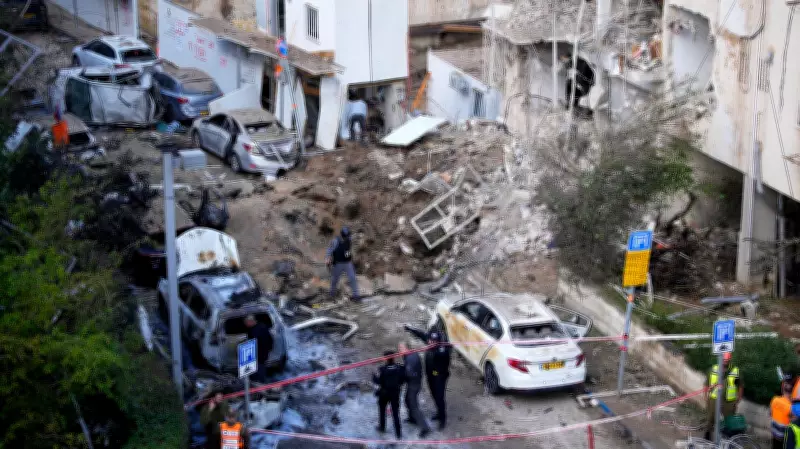
A missile with a 100-kilogram warhead struck a street in central Tel Aviv on Tuesday, blowing out windows and causing minor injuries, as Iran maintained its offensive against Israel and Gulf Arab nations. This attack occurred amidst claims by U.S. President Donald Trump that negotiations were underway to end the conflict, though Iran has firmly denied any such talks.
Trump's Deadline Extension and Economic Impact
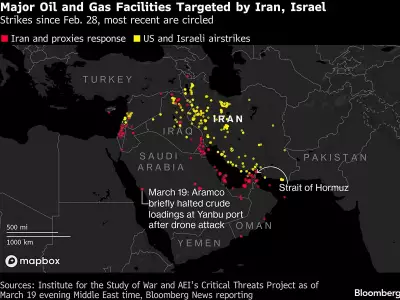
President Trump delayed a deadline for Iran to reopen the strategic Strait of Hormuz, briefly causing oil prices to drop below $100 a barrel before rebounding to $104. The extension, which offers a five-day reprieve, has raised speculation about U.S. military movements, including the deployment of Marines potentially aimed at seizing Kharg Island, a key oil hub off Iran's coast.
Iranian officials have expressed skepticism, with parliament Speaker Mohammad Bagher Qalibaf dismissing Trump's claims as "fakenews" designed to manipulate financial markets. Meanwhile, Israeli Prime Minister Benjamin Netanyahu vowed to continue strikes on Iran and Lebanon, despite U.S. ceasefire considerations.

Regional Escalation and Humanitarian Toll
In response to Iranian actions, Israel targeted Beirut's southern suburbs, hitting infrastructure linked to the Iran-backed Hezbollah militant group. The Lebanese Health Ministry reported at least eight deaths, including a 3-year-old girl, with over 1,000 killed and 1 million displaced since the war resumed on March 2.
Gulf states also faced repercussions: Kuwait experienced partial electricity outages from air defense shrapnel, Bahrain activated missile alert sirens, and Saudi Arabia intercepted 19 Iranian drones targeting its Eastern Province. The conflict has resulted in significant casualties, with Iran's death toll exceeding 1,500, Israel reporting 15 fatalities from Iranian strikes, and at least 13 U.S. military members killed.
Diplomatic Moves and Future Uncertainties
Iran's Foreign Minister Abbas Araghchi has engaged in discussions with multiple countries, including Russia and Turkey, to address the war. Analysts from the Soufan Center suggest Trump's delay could be a tactical move to align with military preparations or seek a diplomatic offramp, but Iran's threat to mine the Persian Gulf if U.S. troops land adds to the volatility.
The situation remains fluid, with ongoing military actions and disputed diplomatic efforts heightening fears of further escalation and potential humanitarian crises in the region.