Iran Intensifies Regional Conflict with New Leadership and Military Escalation
In a significant escalation of hostilities across the Middle East, Iran launched coordinated attacks against Israel and multiple Gulf countries on Monday, March 9, 2026. This military offensive coincided with the formal announcement that Ayatollah Mojtaba Khamenei, son of the late supreme leader, had been named as his father's successor, placing him in a central position to direct Iran's war strategy during this critical period.
Cluster Munitions Target Israeli Population Centers
The Israeli military reported that Iran has been employing cluster munitions against Israeli territory on a nearly daily basis, with particularly intense attacks occurring on Monday. Lieutenant Colonel Nadav Shoshani, an Israeli military spokesperson, confirmed that these weapons have been directed at some of Israel's most densely populated civilian areas, including Jerusalem and central regions of the country.
Cluster munitions represent particularly dangerous weapons that open in mid-air to release numerous smaller bomblets across wide areas. These submunitions are designed to destroy military equipment and personnel simultaneously, but their use in civilian zones raises significant humanitarian concerns. Shoshani noted that Iran had previously deployed similar missile systems during the twelve-day conflict in June 2025.

Israeli Retaliation Strikes Beirut Financial Institutions
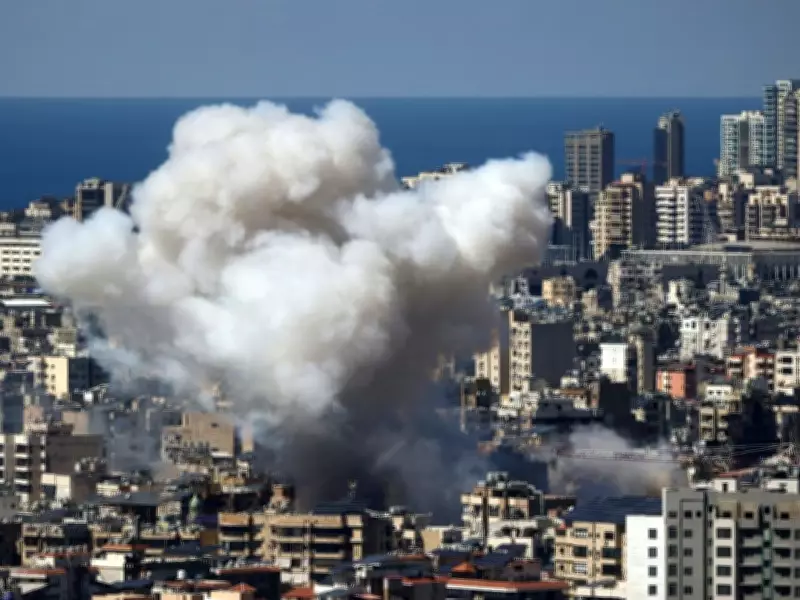
In response to the Iranian attacks, Israel conducted airstrikes in Beirut, specifically targeting facilities associated with Hezbollah's financial operations. The Israeli military issued warnings to residents of Beirut's Dahiyeh suburb to evacuate before carrying out strikes against al-Qard Al-Hasan, an institution Israel claims Hezbollah uses to finance its military activities.
Smoke billowed over the Lebanese capital following the attacks, which destroyed a building housing an office of the financial institution in the Chiyah district. These strikes represent a continuation of Israeli operations against Hezbollah-linked financial targets, following similar actions against branches in southern and eastern Lebanon earlier in the week.
Gulf States Face Multiple Attacks and Issue Stern Warnings
The conflict expanded significantly beyond the Israel-Iran confrontation, with Abu Dhabi, capital of the United Arab Emirates, coming under Iranian attack. Authorities confirmed that two people sustained injuries from shrapnel resulting from intercepted projectiles.
Saudi Arabia experienced multiple drone attacks, including one targeting the strategically important Shaybah oil field. The Saudi Defense Ministry reported successfully intercepting drones in both the Jawf region and near the oil facility. In a separate incident in Kharj, an attack late Sunday resulted in the deaths of two Bangladeshi nationals and injuries to twelve others.
Saudi officials issued their strongest warning yet to Iran, stating directly to the Iranian capital that Tehran would become the "biggest loser" if it continued attacking Arab states. This statement followed the drone assault on the Shaybah oil field, highlighting the economic dimensions of the conflict.
Uncertainty Surrounds New Supreme Leader's Condition
Iranian state television's announcement of Mojtaba Khamenei's appointment as supreme leader included the unusual detail that he had been wounded in combat. The broadcast described Khamenei as "janbaz," a term meaning wounded by the enemy, specifically referencing the "Ramadan war" that Iranian media uses to describe the current conflict.
Confusion emerged regarding when this injury might have occurred, with some suggestions pointing to possible wounds sustained during Khamenei's military service in the 1980s Iran-Iraq war. The new supreme leader has not made any public appearances since the conflict began, and his father and wife were both killed in the February 28 Israeli airstrike in Tehran.
Regional Tensions Reach Critical Levels
The Monday attacks represent a significant escalation in the ongoing Middle East conflict, with multiple fronts now active simultaneously:

- Iran firing missiles toward northern and southern Israel, triggering air raid sirens for the sixth time
- Israeli airstrikes targeting Hezbollah financial infrastructure in Beirut
- Drone attacks against Saudi Arabian territory and critical oil infrastructure
- Direct attacks on Abu Dhabi resulting in civilian injuries
- Heightened warnings from Saudi Arabia to Iran regarding continued aggression
The situation remains fluid and dangerous, with the appointment of a new supreme leader in Iran adding further complexity to an already volatile regional conflict. The international community watches closely as these events unfold, with concerns growing about potential further escalation and humanitarian consequences.