Iran Targets Kuwaiti Oil Refinery as Israeli Attack Rocks Tehran with Explosions
In a significant escalation of Middle East hostilities, Iran conducted a missile strike on a Kuwaiti oil refinery on March 20, 2026, while explosions were reported booming over Tehran from an Israeli counterattack. The incident marks a dangerous new phase in regional tensions, with direct attacks on critical infrastructure and urban centers.
Details of the Iranian Strike on Kuwait
Iran launched missiles targeting a major oil refinery in Kuwait, a key ally of Western nations in the Gulf region. The attack represents a bold move by Iran to disrupt energy supplies and assert its military capabilities beyond its immediate borders. Kuwaiti authorities have not yet released detailed casualty figures or damage assessments, but the strike is expected to impact oil production and regional stability.
Israeli Response and Explosions in Tehran
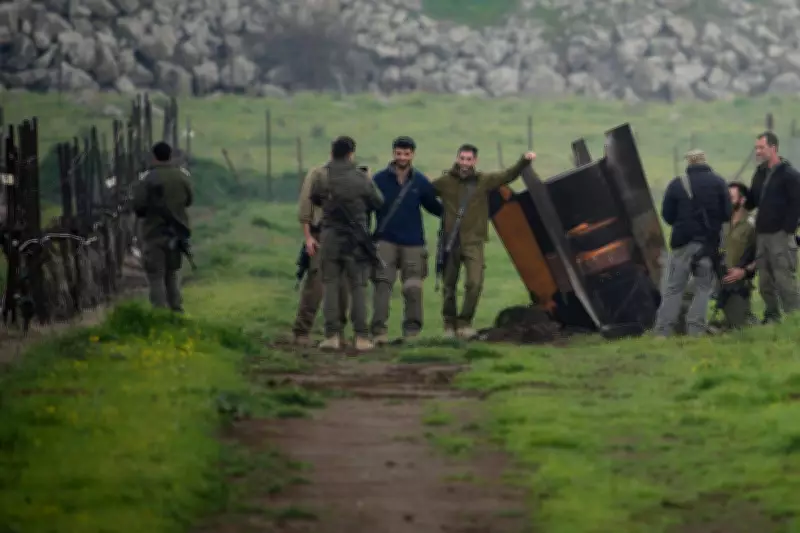
Simultaneously, explosions were heard over Tehran, attributed to an Israeli retaliatory attack. Israeli defense systems intercepted missiles fired from Iran earlier in the week, with fragments found in the Israeli-controlled Golan Heights on March 19, 2026. The Israeli military has not officially confirmed the Tehran explosions, but sources indicate it was a response to Iranian provocations, highlighting the tit-for-tat nature of the conflict.

Regional and Global Implications
This exchange of attacks raises fears of a broader regional war, with potential impacts on global oil markets and international security. The involvement of Kuwait, a non-combatant in previous conflicts, suggests an expansion of hostilities. Experts warn that such escalations could draw in other nations and destabilize the already volatile Middle East.
Context of Rising Tensions
The attacks come amid ongoing geopolitical frictions, including Iran's nuclear program and its support for proxy groups in the region. Israel has repeatedly warned of taking action against Iranian threats, while Iran has vowed retaliation for any strikes on its territory. The March 2026 incidents underscore the fragility of peace in the area and the risk of miscalculation leading to full-scale conflict.
In summary, the dual attacks by Iran and Israel signal a dangerous escalation in the Middle East, with direct hits on economic and urban targets. The situation remains fluid, with international calls for de-escalation growing louder as the world watches closely.